
Last updated November 20, 2026
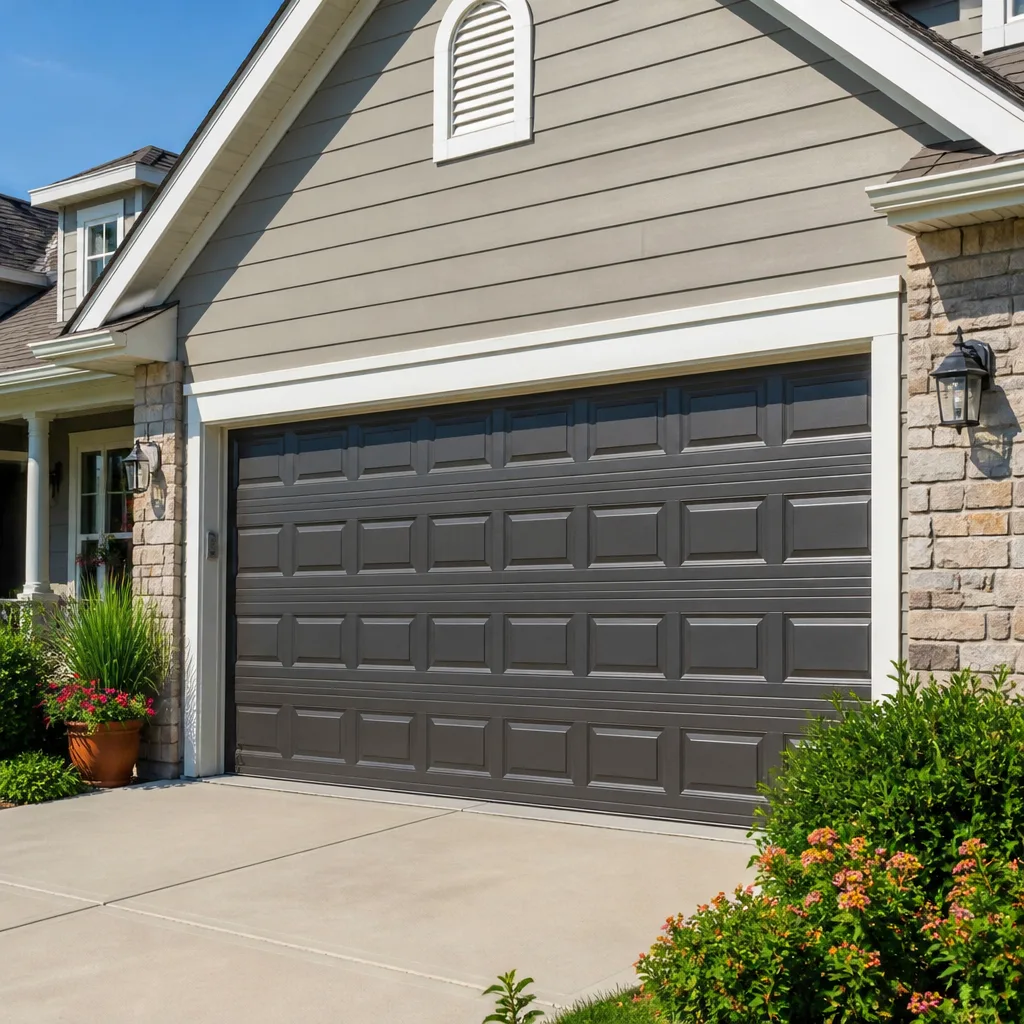 Raised-panel steel
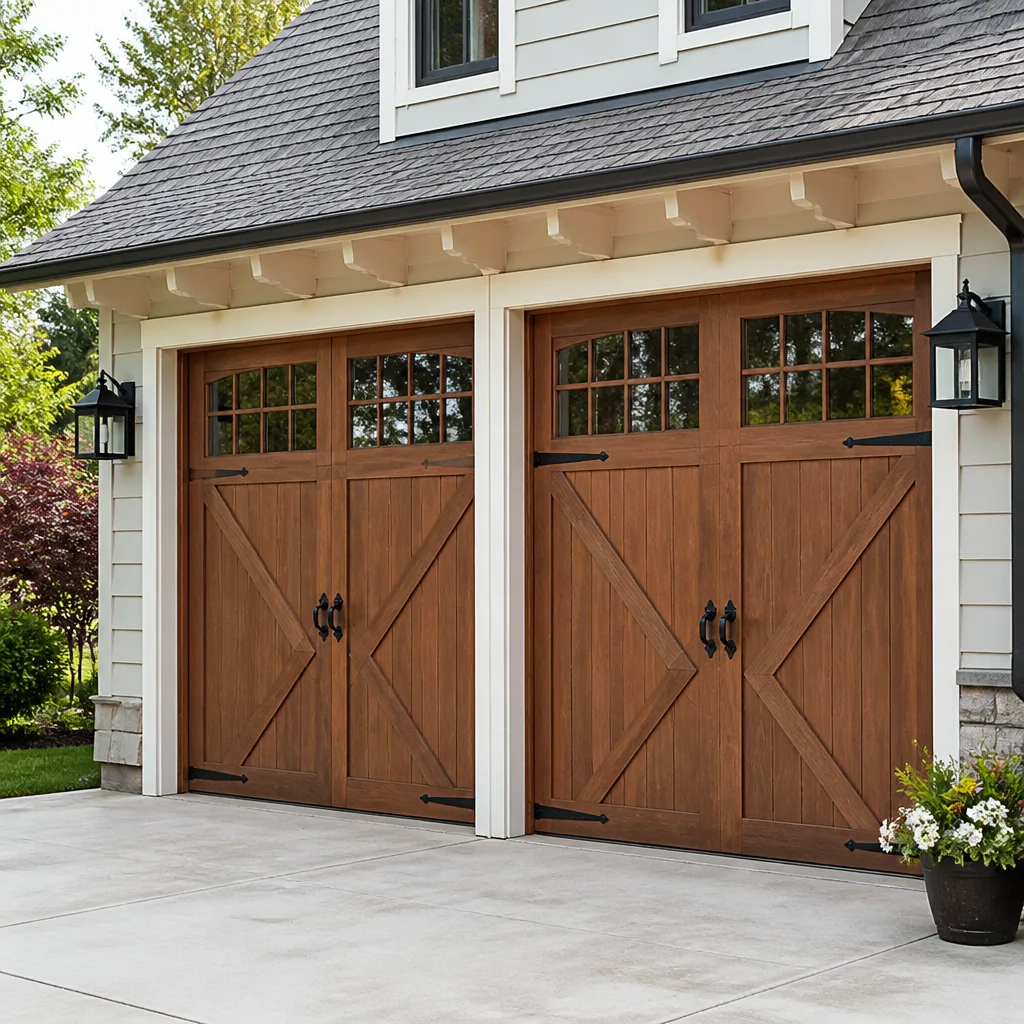 Carriage house
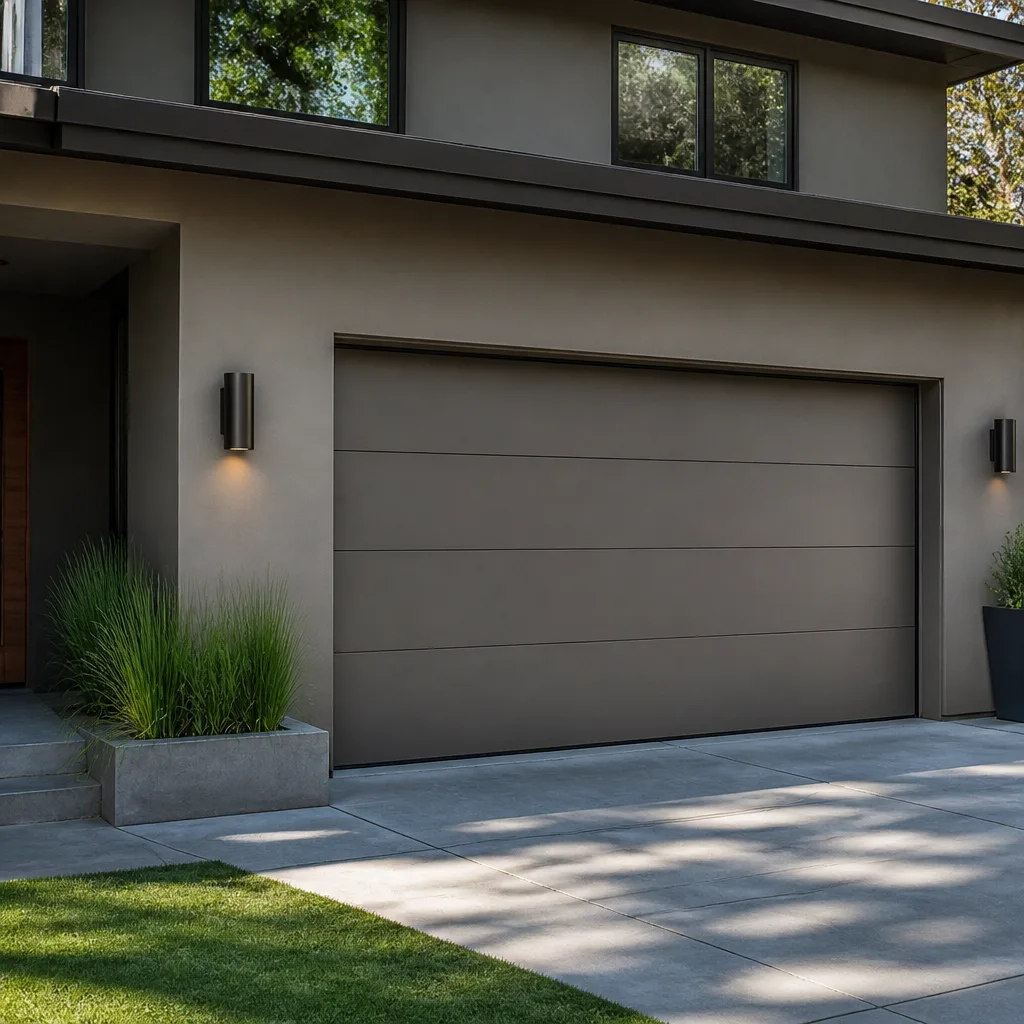 Modern flush
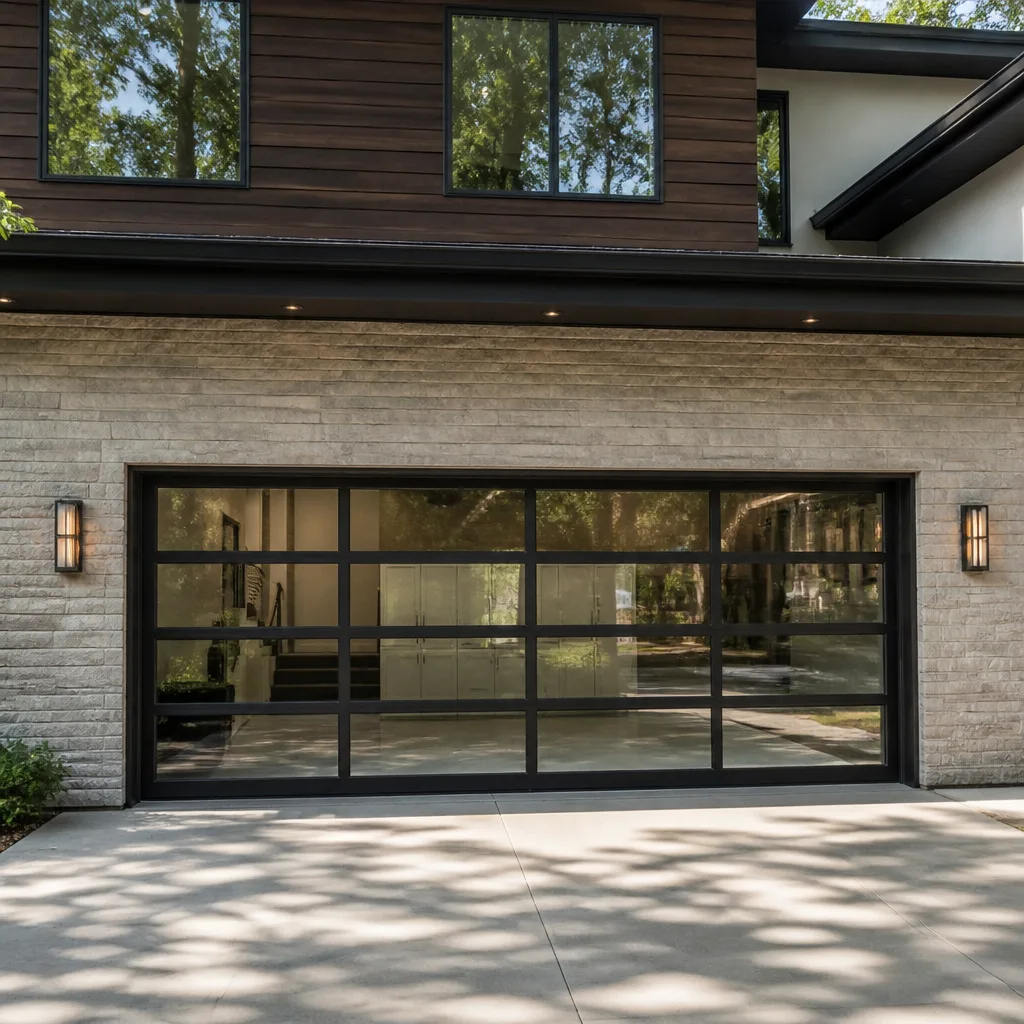 Full-view glass
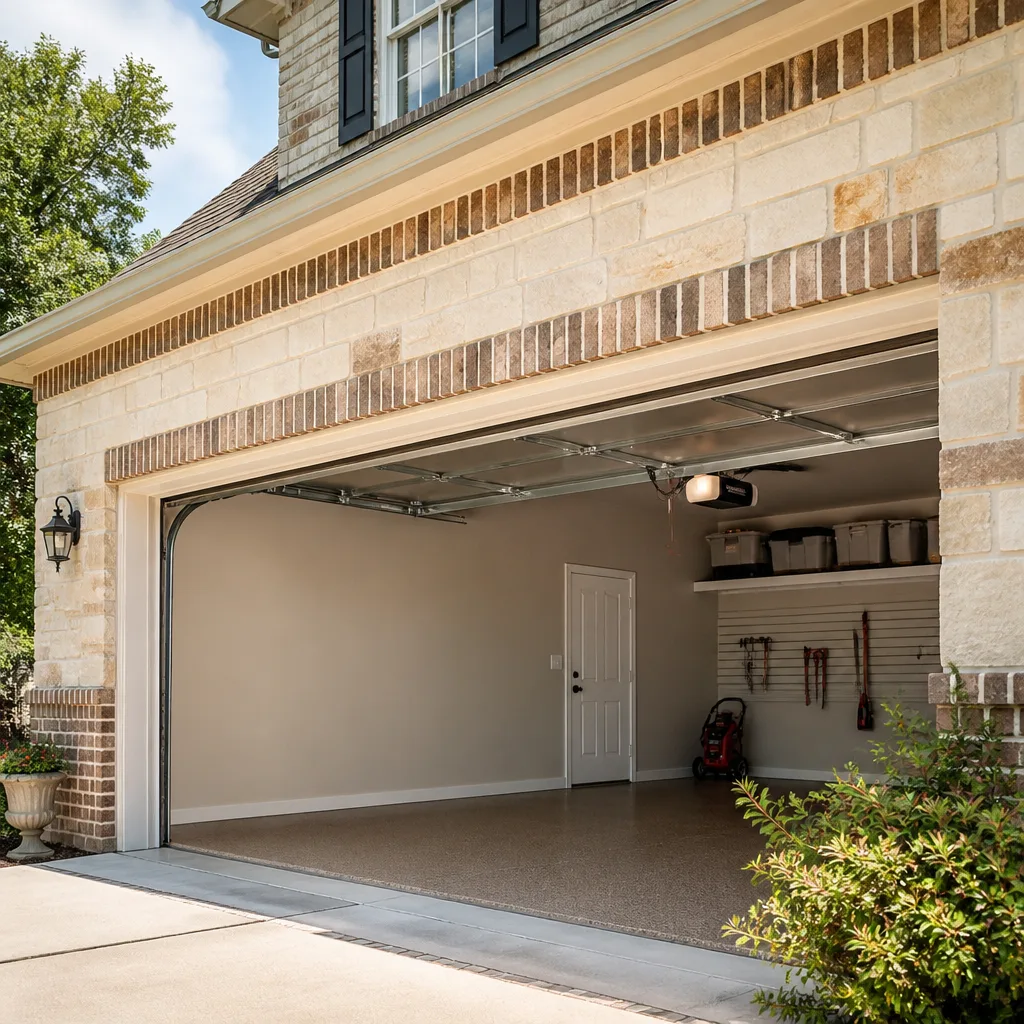 LiftMaster openers
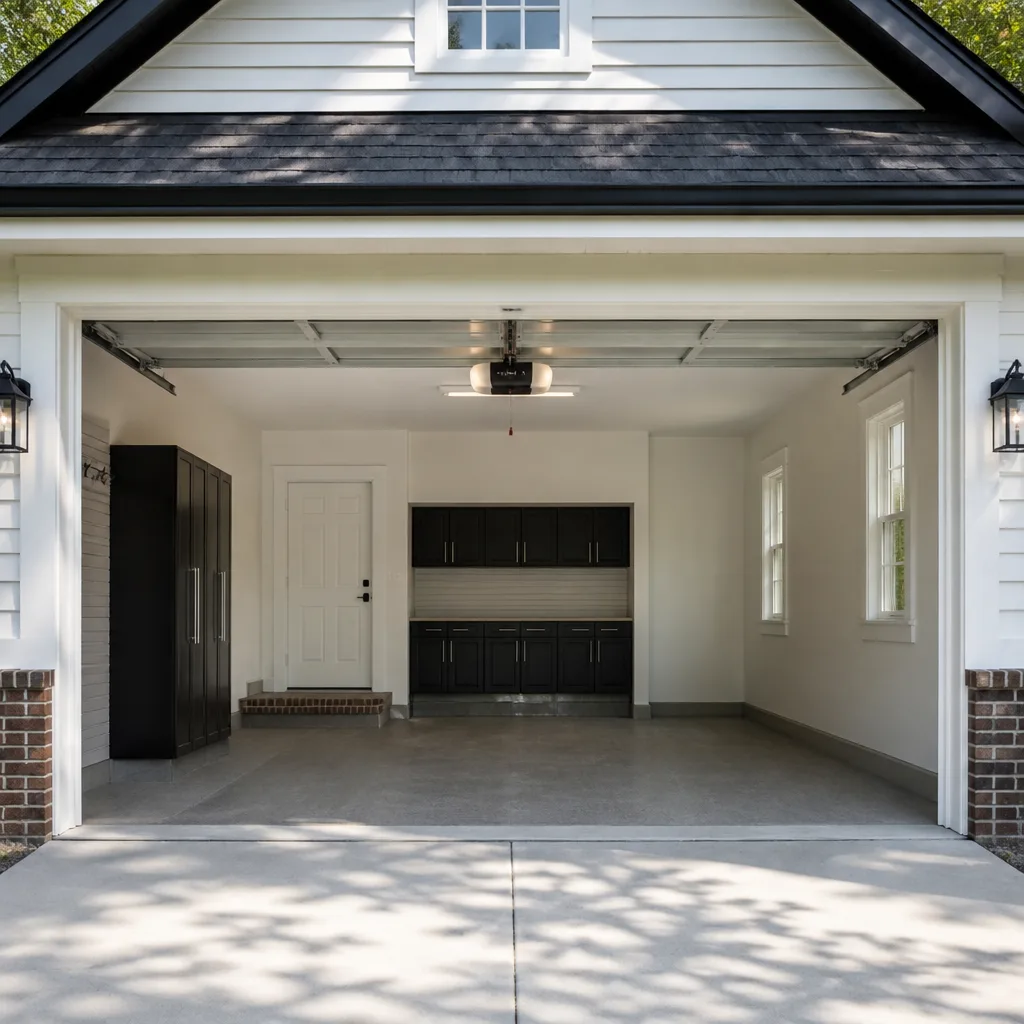 Chamberlain openers
Full 25-point door and opener safety check with every visit - springs, cables, rollers, tracks, and your LiftMaster or Chamberlain opener included
You get a price before we start. It does not change when the pro arrives.
Get your free estimateSeasonal Garage Door Care for Valrico: Year-Round Homeowner’s Guide
Most garage door maintenance advice you’ll find online was written for a place with four real seasons. It tells you to winterize, to prep for the freeze, to clear snow from the tracks. None of that applies here. Valrico runs on a different calendar: a dry season that pulls moisture out of rubber seals, a summer rainy season that works on every metal part of your door, and a hurricane season that tests the whole assembly at once. The seasonal stress on your door changes through the year, and the timing of your maintenance should follow it. This guide walks through what actually happens to a garage door in Valrico across the year, what to check in each stretch, and when a problem is worth a professional look.
Styles & brands we work with
- Raised-panel steel
- Carriage house
- Modern flush
- Full-view glass
- LiftMaster openers
- Chamberlain openers
Quick Answer
The hardest season on a garage door in Valrico is summer into early fall, when humidity, heat, and storm-season pressure cycles speed up corrosion on springs and hinges and dry out weatherstripping. Check and lubricate your hardware before the rainy season starts, inspect seals and bottom weatherstripping as the dry season sets in, and do a full inspection after any significant storm before you use the door normally. Springs and cables are not a do-it-yourself job; leave those to a trained technician.
Table of Contents
- Why Garage Door Care in Valrico Doesn’t Follow a Four-Season Calendar
- Pre-Hurricane Season Checklist: What to Inspect Before the First Storm
- How the Summer Humidity Cycle Attacks Springs and Hinges
- The Right Lubricant for a Florida Garage Door (and What to Skip)
- What the Dry Season Does to Seals and Bottom Weatherstripping
- Post-Storm Inspection: What to Check Before Normal Use
- Annual Tasks and the Best Season to Do Each One
- Common Mistakes to Avoid
- When to Call a Professional
- Frequently Asked Questions
- The Bottom Line
Why Garage Door Care in Valrico Doesn’t Follow a Four-Season Calendar
If you’ve moved to Valrico from a colder part of the country, the maintenance advice you carried with you is largely irrelevant here. There’s no frost, no ice, no snow load, and no need to think about freeze damage. The local cycle is drier and wetter, not colder and warmer, and each phase places a different kind of demand on your garage door.
In practical terms, Valrico’s year breaks into three stretches that matter for a garage door:
- The dry, cooler stretch (roughly late fall through early spring): lower humidity, comfortable working temperatures, and the best window for inspection and lubrication. Rubber seals tend to shrink and crack in these drier months, so this is when weatherstripping problems become visible.
- The build-up to storm season (late spring): the last comfortable window to do a full hardware inspection, tighten fasteners, and confirm your door and opener are in condition to handle the pressure swings ahead.
- Rainy and hurricane season (roughly June through October): sustained humidity, heavy rain, and repeated storm pressure cycles. Metal parts are most vulnerable now, and post-storm inspections matter most.
That’s the core reframe of this guide. Instead of asking “is it winter yet,” the useful question in Valrico is “which stretch am I in, and what is it wearing on?” Get that right and the same handful of tasks do more good, at the right time.
The types of doors and openers common around Valrico range widely in age, from older Craftsman and Genie units still running strong to newer smart platforms. Which era your hardware is from changes the details, not the seasonal logic, so the calendar below applies across the board.
Pre-Hurricane Season Checklist: What to Inspect Before the First Storm
Storm season in Valrico runs roughly June through November, so the window to prepare is late spring. The goal is simple: find and fix anything that storm pressure cycles could turn into a failure. A garage door is a large, moving, relatively light structure, and pressure changes during a storm put real load on its panels, hardware, tracks, and anchoring.
Work through this list before the season starts:
- Confirm your door’s wind rating. Many modern doors are tested and rated for wind load, and that rating depends on the door being installed and anchored correctly. Look for the rating label on your door or documentation, and if you can’t find it, ask a technician to check. If you’re replacing a door in Valrico, make sure the new one is rated for wind; the details of what your area requires come from the local building department, so a quick call to them settles it.
- Check the anchoring and the hinges. Worn hinges and loose fasteners are the weak points when pressure hits. Tighten what’s loose and replace hinges that have play or rust.
- Test the door’s balance. Disconnect the opener and lift the door by hand to about halfway. It should feel manageable and stay put when you let go. A door that feels very heavy or drops on its own is telling you the springs or balance are off, and that’s a spring job for a technician, not a weekend task.
- Inspect the tracks for bends or gaps. Pressure from a storm can shift a door slightly, and a track that’s out of alignment will bind the rollers.
- Check the seals and bottom weatherstripping. A tight seal reduces the amount of wind-driven rain and debris that gets into the garage.
- Test the opener’s safety reverse. Put a small object in the door’s path and confirm it reverses on contact. Also confirm the wall-mounted safety sensors are aligned and unobstructed.
- Clear the area around the door. Anything that can blow around near the tracks or the door itself is worth moving before a storm.
This is also a sensible time to look at your opener setup, especially if you’re running a LiftMaster or Chamberlain unit with smart features, since those can be checked remotely. If the opener is older and the seasons have been rough on it, a professional look is cheap insurance before the busy months. You can find details on our garage door opener repair page.
How the Summer Humidity Cycle Attacks Springs and Hinges
Valrico’s summer humidity is the single biggest seasonal threat to your garage door’s working parts. High humidity combined with warm temperatures is exactly the environment that accelerates oxidation on steel, and your springs, hinges, rollers, and fasteners are all steel. The corrosion doesn’t stop the door overnight. It works quietly, eating into the metal and gradually weakening moving parts that the whole door depends on.
Here’s what actually happens through the summer:
- Hinges and roller brackets accumulate surface rust first, and rust on a hinge turns into a sticky hinge. A hinge that doesn’t pivot cleanly puts extra load on the door and the opener.
- Springs are the part to watch. Torsion and extension springs are under constant tension, and any corrosion or pitting on the coils creates weak points. A spring that’s been through several humid seasons is more likely to give out than the same spring in a dry climate.
- Fasteners and the track’s moving parts corrode and bind, which shows up as a door that gets louder or jerks.
- Weatherstripping and seals soften and degrade under heat and humidity, and this is when you might notice drafts, light gaps, or water coming in.
In our experience, a garage door that gets no lubrication through a Valrico summer comes out of it with noticeably more friction and more rust than the same door in a milder climate. The fix is simple and cheap: lubricate the moving metal parts before the humid stretch and again partway through it. The bigger point is to take corrosion seriously here rather than treating it as cosmetic.
Springs are a special case. Because they hold the full weight of the door under tension, a spring that’s weakened by a season of corrosion is a genuine safety concern, and it’s not something to test or replace yourself. We handle garage door spring repair as one of our three core services, and it’s one of the most safety-critical jobs in the trade, so this is worth treating with respect rather than caution-tape-and-hope.
The Right Lubricant for a Florida Garage Door (and What to Skip)
The right lubricant for a garage door in Valrico’s heat and humidity is a lithium- or silicone-based garage door lubricant, applied to hinges, rollers, and springs. The right product matters more here than it does in drier climates, because a lubricant that holds up in mild weather may not hold up in a humid Florida summer.
What to use and what to avoid:
- Use a purpose-made garage door lubricant. Lithium grease or a silicone-based spray designed for garage doors works well and stays put. Some technicians favor a product that resists washout from humidity and rain.
- Skip thin oils that evaporate. A light household oil or a thin spray may feel like it’s working, but it tends to evaporate or dry out quickly in heat, and it can attract dust and debris that turns into grit in the moving parts.
- Avoid excessive grease. Too much grease on rollers and tracks collects debris and hardens over time. A light, even application is better than a heavy coat.
- Don’t lubricate the tracks. The door’s tracks should stay clean and dry; the rollers ride in them and a buildup of grease attracts debris that causes binding.
- Lubricate springs carefully. Springs are under tension, so a light application across the coils is enough, and you shouldn’t be doing anything more than that around a spring. If you’re not comfortable, a technician will do it as part of a service call.
Frequency matters too. In Valrico’s climate, once at the start of the humid season and again partway through is a reasonable rhythm. If you have a home near the bay where the air carries more moisture and salt, you may want to check more often.
What the Dry Season Does to Seals and Bottom Weatherstripping
The Valrico dry season is the time most seal failures become noticeable. Lower humidity and cooler nights cause rubber and vinyl weatherstripping to shrink and harden, and after a season of that, the gaps appear. You may not notice a subtle change until the first rain shows water on the garage floor or a draft reaches the door, but the dry season is when you can spot the problem and fix it before it becomes a bigger one.
What to check as the dry season sets in:
- The bottom weatherstripping. Run a hand along the bottom edge of the door and feel for gaps, cracks, or brittleness. A tired bottom seal lets in rain, dirt, and pests, and it can let water pool against the door’s lower panels.
- The side and top seals. These shrink and pull away from the frame, opening light gaps and letting wind-driven rain in during storms.
- Panel seams. Look for any separation or rust along the seams, which can creep under the paint over time.
- The door’s balance and noise. A drier season often coincides with a door that feels noisier or slightly harder to move. That’s usually a lubrication or hinge issue, and it’s easy to address.
Replacing bottom weatherstripping is one of the simpler jobs in garage door work, and it’s worth doing early in the dry season. A seal that’s in good shape before the first heavy rain keeps the garage dry and cuts down on the debris that gets into the tracks. If your seals are past it, our garage door repair page covers what we look at.
Post-Storm Inspection: What to Check Before Normal Use
After a significant storm in Valrico, inspect your garage door before you resume normal use. Storm pressure, windblown debris, and heavy rain can all shift something subtle, and a door that’s running on slightly misaligned tracks will finish the job of damaging itself the next time you cycle it. A few minutes of checking after a storm is a lot cheaper than a repair.
Here’s the post-storm checklist:
- Look at the tracks for bends, gaps, or debris. Storms can send small branches or debris into the tracks, and a bent track will bind the door.
- Test the door by hand if it feels wrong. If the door is hard to lift or drops when you let go, stop and call a technician. That’s a balance or spring issue and not a DIY fix.
- Check the springs and cables visually. Look for rust, damage, or a spring that looks different from the others. Don’t touch or adjust them; flag it for a professional.
- Inspect the panels. Dents, dings, or a panel that’s shifted can affect the door’s seal and its wind performance.
- Check the weatherstripping for tears or gaps. Storm rain is the test a seal faces, and if it leaked, the seal is telling you it needs attention.
- Test the opener and safety sensors. Confirm the door opens and closes smoothly and the safety reverse works.
If anything looks or feels off, that’s worth a call rather than a “I’ll get to it” – a small misalignment left alone tends to become a track, roller, or spring repair. If the door simply won’t open after a storm, our Valrico Garage Door Repair team can take a look and tell you what’s going on.
Annual Tasks and the Best Season to Do Each One
Some garage door tasks are recommended “annually” by default, but in Valrico the timing isn’t arbitrary. Doing each task at the right point in the local calendar gets more value out of it. Here’s how we’d schedule the year for a Valrico door:
- Full inspection and lubrication before the humid season (late spring). This is the highest-value task of the year. Lubricating hinges, rollers, and springs right before the humid months slows the corrosion that dominates the summer.
- Wind rating and anchoring check before storm season (late spring). Do this at the same visit as the inspection. Storm season is the reason, and late spring is the practical window.
- Seal and weatherstripping check as the dry season starts (early-to-mid fall). This is when shrinkage shows up, so it’s when you can spot and fix it.
- Opener testing and safety sensor check at the start of the dry season. Cooler, lower-humidity weather makes the electronics less stressed, and it’s a useful checkpoint before the next busy stretch.
- Post-storm inspection after any named storm or significant weather event. This isn’t a scheduled task so much as a “when needed” one, but it’s the one most likely to catch a real problem early.
- A noise and balance check mid-humid season. By July or August, a quick listen and a hand-feel test on the door will tell you if the summer is winning.
If you only do one thing on that list, do the pre-humid-season lubrication and inspection. For most Valrico homes, it’s the task that heads off the most expensive problems. Our technicians have up to 8 years of experience, and the seasonal wear we see around Valrico follows this pattern closely, which is why we schedule it the way we do.
Common Mistakes to Avoid
- Following a northern maintenance calendar. Winterizing advice doesn’t work for a Valrico door. Focus on humidity, seals, and storm prep instead of frost and ice, and you’ll be checking the things that actually matter here.
- Skipping lubrication before the humid season. It’s the single easiest thing to skip and the one with the biggest payoff. A dry, unlubricated door going into a Valrico summer comes out rustier and stiffer.
- Using the wrong lubricant. A light oil that evaporates in the heat or a heavy grease that attracts debris both do more harm than good. Use a proper garage door lubricant and apply it lightly.
- Trying to fix or adjust springs yourself. Springs and cables are under high tension and can injure you seriously if something slips. This is the one part of the door to leave to a trained technician.
- Ignoring a door that feels heavy or drops. That’s a spring or balance issue, and it gets worse, not better. Have it checked before it fails.
- Resuming use right after a storm without a look. A quick post-storm check catches a bent track or a shifted panel before it damages the door or the opener.
- Assuming a quiet door is a fine door. A door that gets louder through the summer is usually telling you the hardware is corroding or losing lubrication. Listen to it.
When to Call a Professional
Some garage door tasks are happy homeowner work: lubricating hinges, checking seals, testing the opener. Others are worth a trained eye or are genuinely unsafe to attempt. Call a professional if the door is hard to lift or drops on its own, if a spring looks damaged or the cables are loose, if the door is off its tracks, if the opener fails the safety reverse test, or if a storm left the door misaligned or a panel damaged. Anything involving the springs or cables is a no-go for DIY, full stop. Valrico Garage Door Repair offers free estimates in Valrico; call (866) 346-9311. We answer 24/7. Fast dispatch from 7am to 7pm, Sunday through Friday.
Frequently Asked Questions
Two or three times a year, timed to the local humid season, is a reasonable rhythm in Valrico. Lubricate before the humid months start and again partway through, and add a check if the door gets noisy. Use a purpose-made garage door lubricant, and keep the tracks clean and dry. Call (866) 346-9311 for an exact quote on a professional service – estimates are free.
Yes, it’s worth confirming before storm season. Many modern doors are wind-rated, and that rating depends on correct installation and anchoring. Check the door’s label or documentation; if you can’t find it, a technician can verify. For the specific requirements in your part of Valrico, ask the local building department. Call (866) 346-9311 to schedule a check – estimates are free.
Inspect the door before you use it normally: look at the tracks for bends and debris, check the springs and cables visually without touching them, and test the door by hand if it feels wrong. If it’s hard to lift, drops, or is off its tracks, call a professional. Call (866) 346-9311 for an exact quote – estimates are free.
A little extra noise through the humid season is common, but it’s usually a sign that hinges and rollers need lubrication or that corrosion is building. Don’t ignore it; address it early. If it keeps getting louder, have it looked at. We handle garage door opener repair and door hardware, so call (866) 346-9311 to book a look – estimates are free.
The local professionals we connect you with are licensed and insured as their state requires, and the price is quoted and agreed before any work starts. So there’s no surprise on the invoice. Call (866) 346-9311 for an exact quote – estimates are free.
We can often get a technician to you the same day for repair work. Call (866) 346-9311. We answer 24/7. Fast dispatch from 7am to 7pm, Sunday through Friday. A call outside dispatch hours is booked into the next opening. Estimates are free, and the price is agreed before work starts.
The Bottom Line
Garage door care in Valrico runs on a local calendar, not a four-season one. The dry season is when seals fail and the time to catch them. The late-spring window before the humid months is the best time to inspect, lubricate, and confirm your door’s wind rating. The humid and storm season from roughly June through October is the period that works hardest on springs, hinges, and fasteners, and it’s when both pre-season prep and post-storm checks pay off most. Do the lubrication, watch the seals and the sound of the door, avoid touching the springs yourself, and you’ll get years more reliable service out of your door in this climate.
If the seasonal wear has caught up with your door, or you’d rather have a trained eye do the once-over, call Valrico Garage Door Repair at (866) 346-9311 for a free estimate. We answer 24/7. Fast dispatch from 7am to 7pm, Sunday through Friday.
Written by the team at Valrico Garage Door Repair.
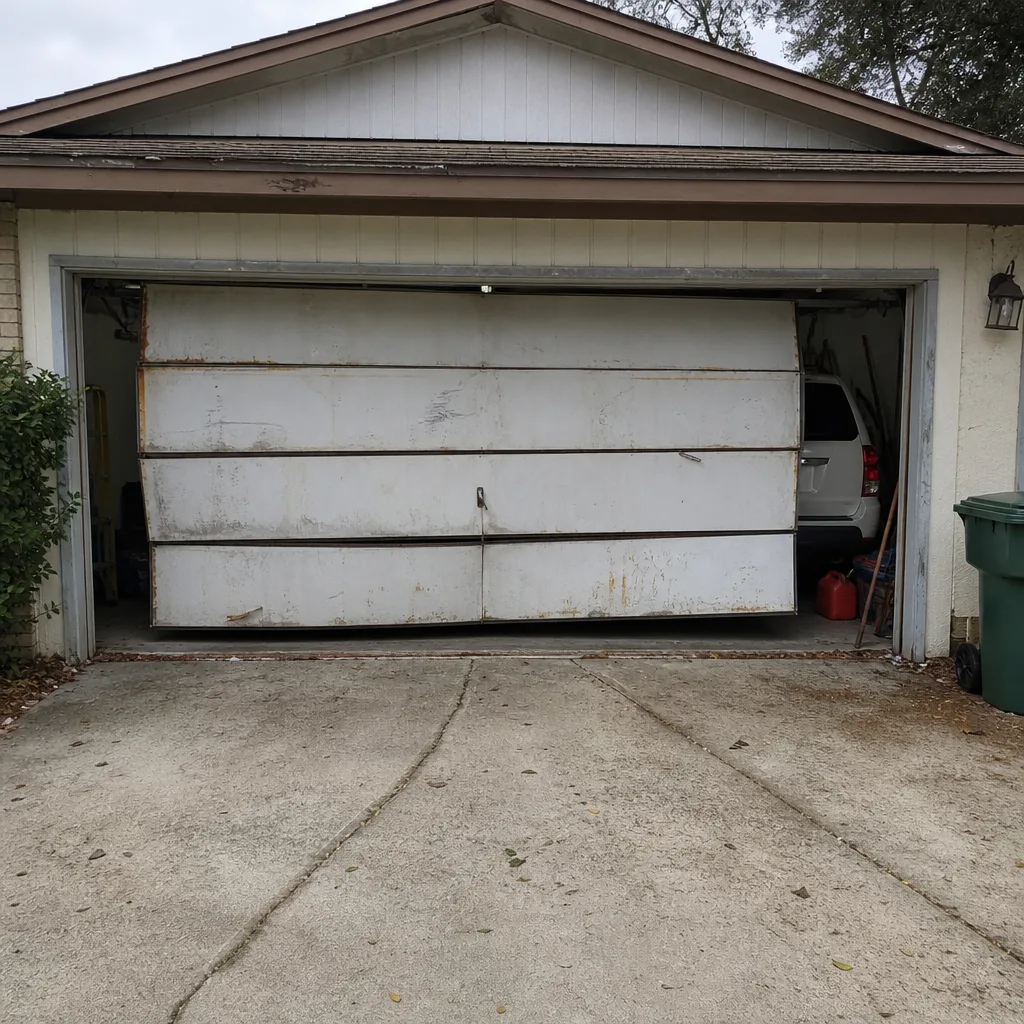
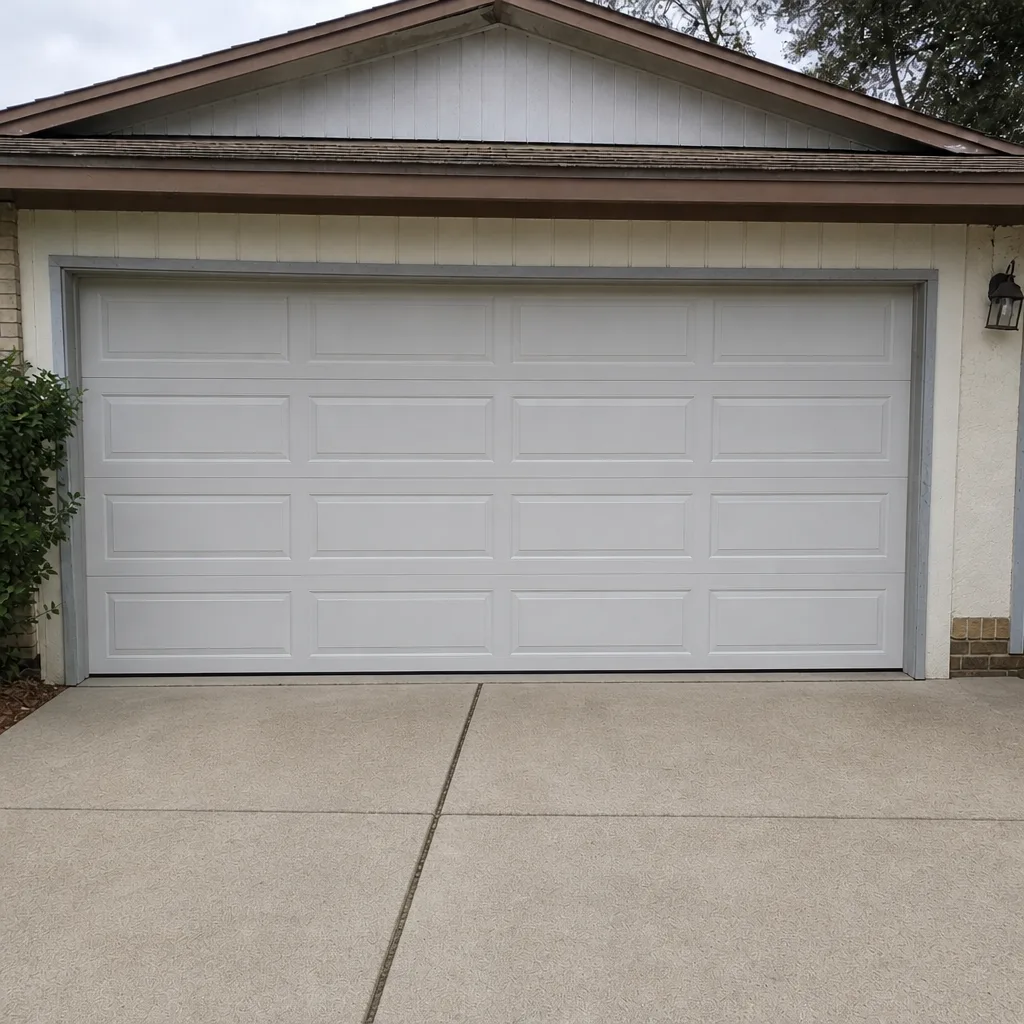
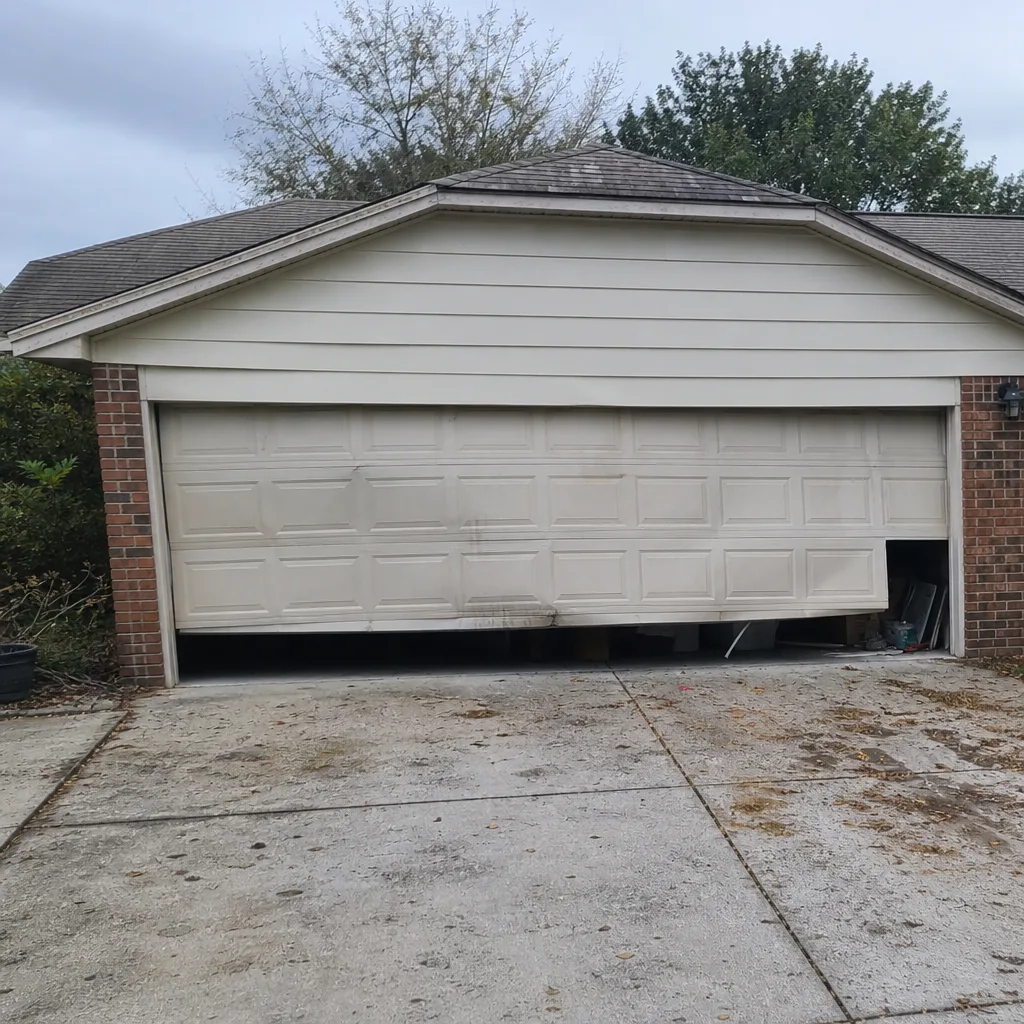
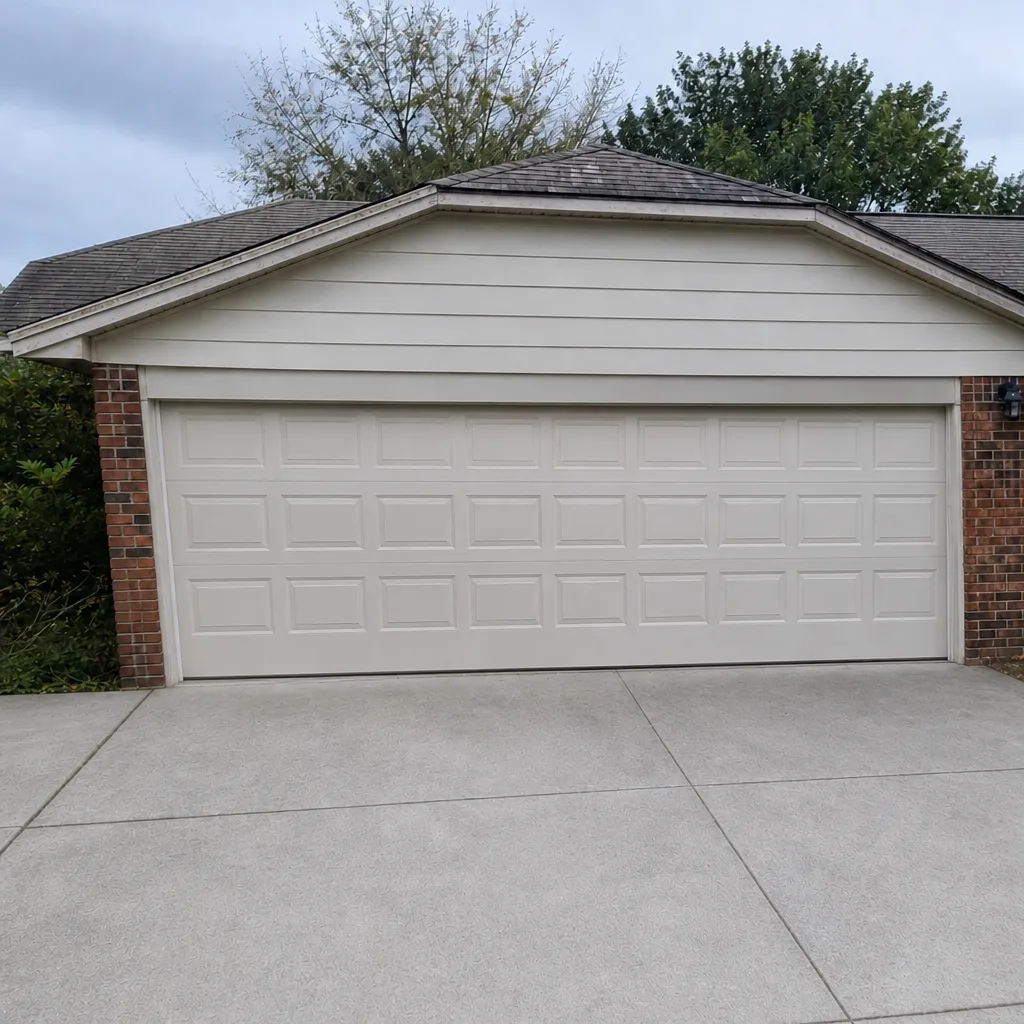
See the difference
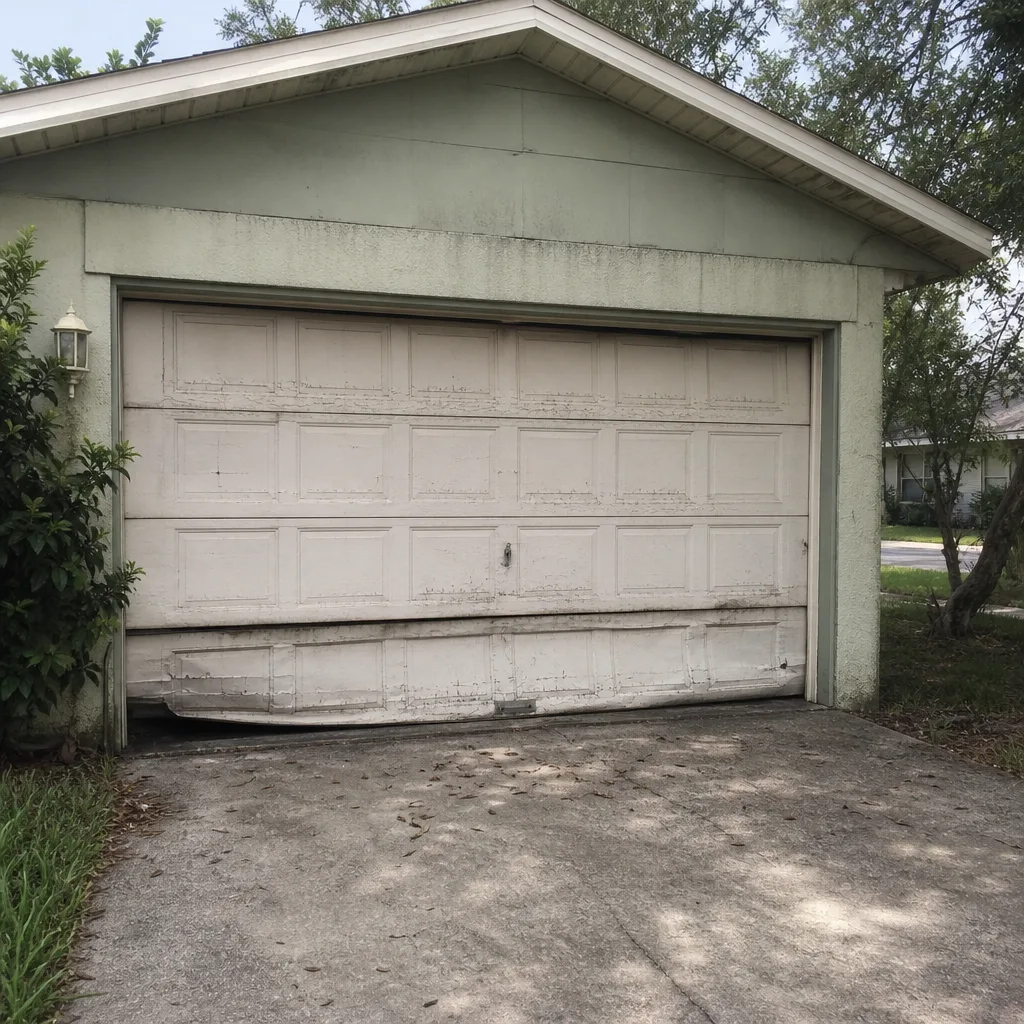 Before
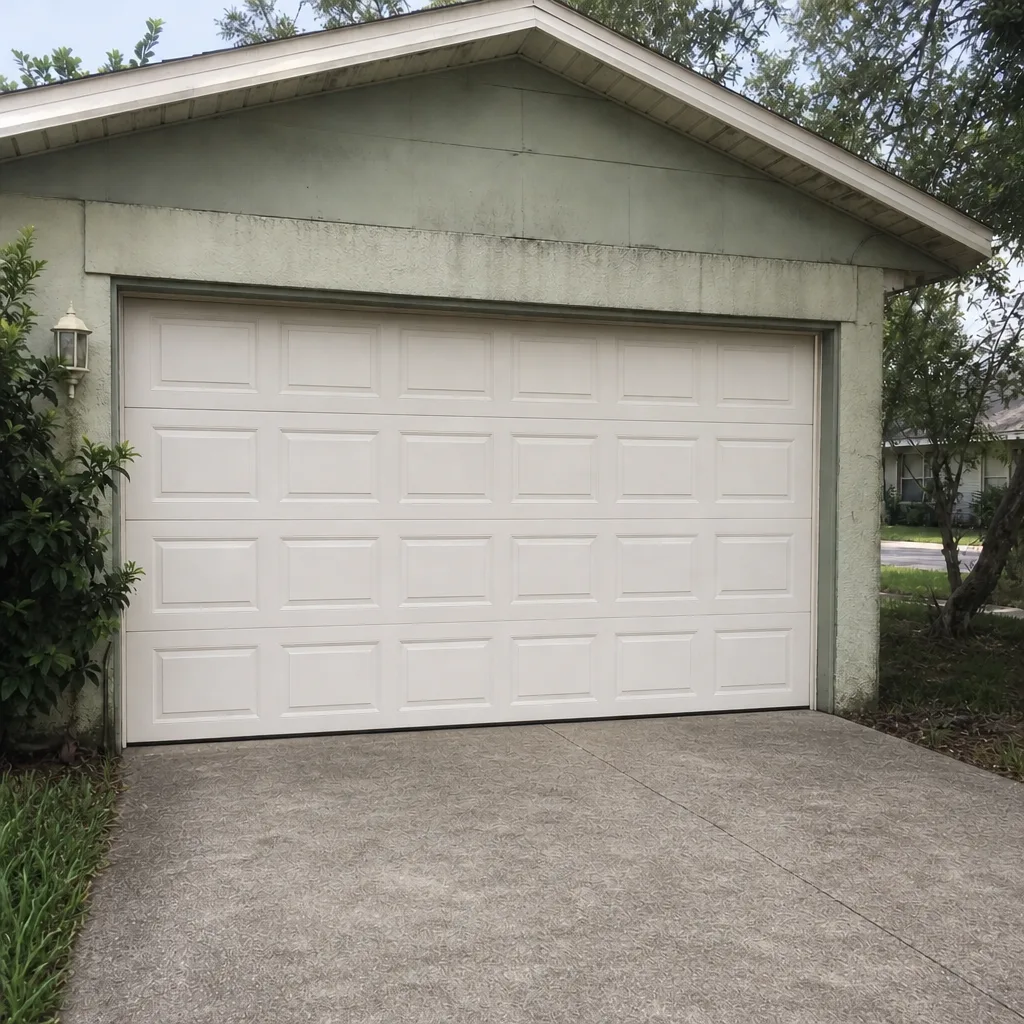 After
 Before
 After
 Before
 After