
Last updated November 20, 2026
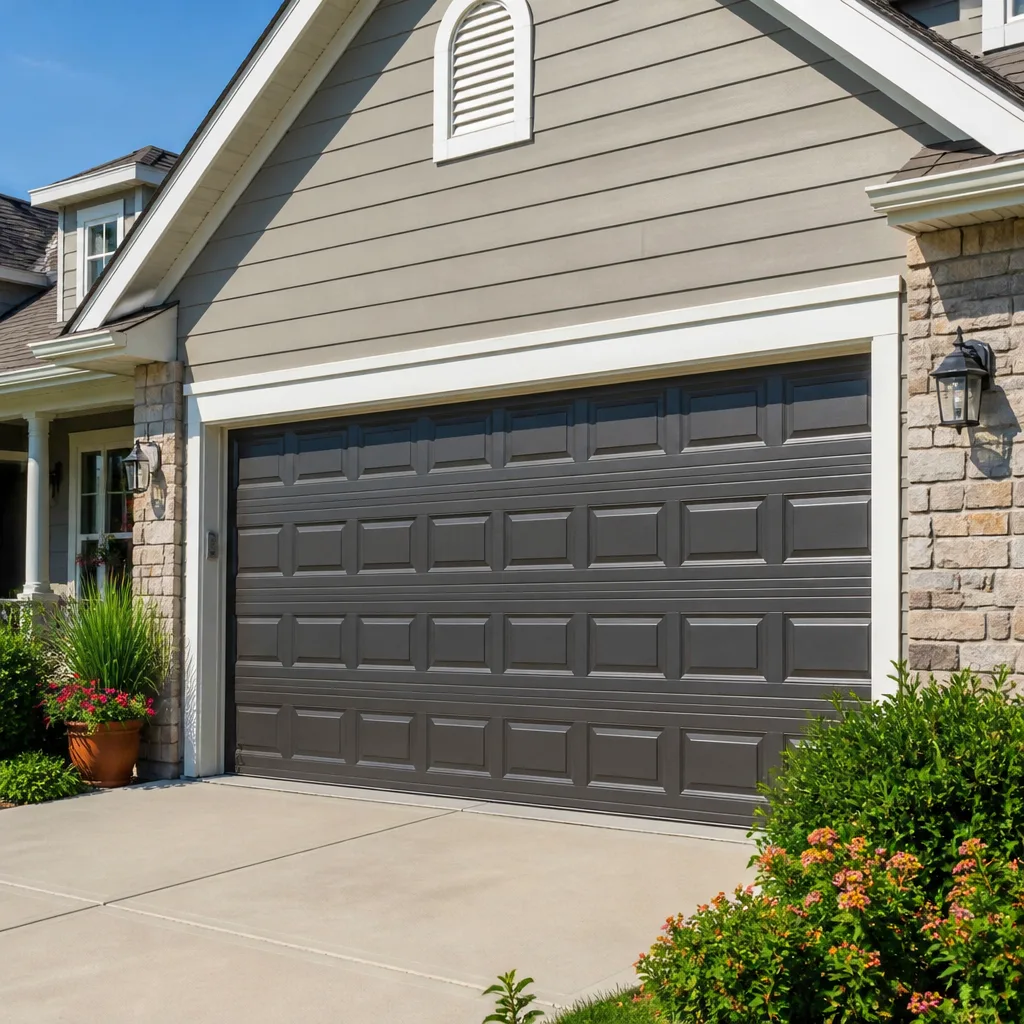 Raised-panel steel
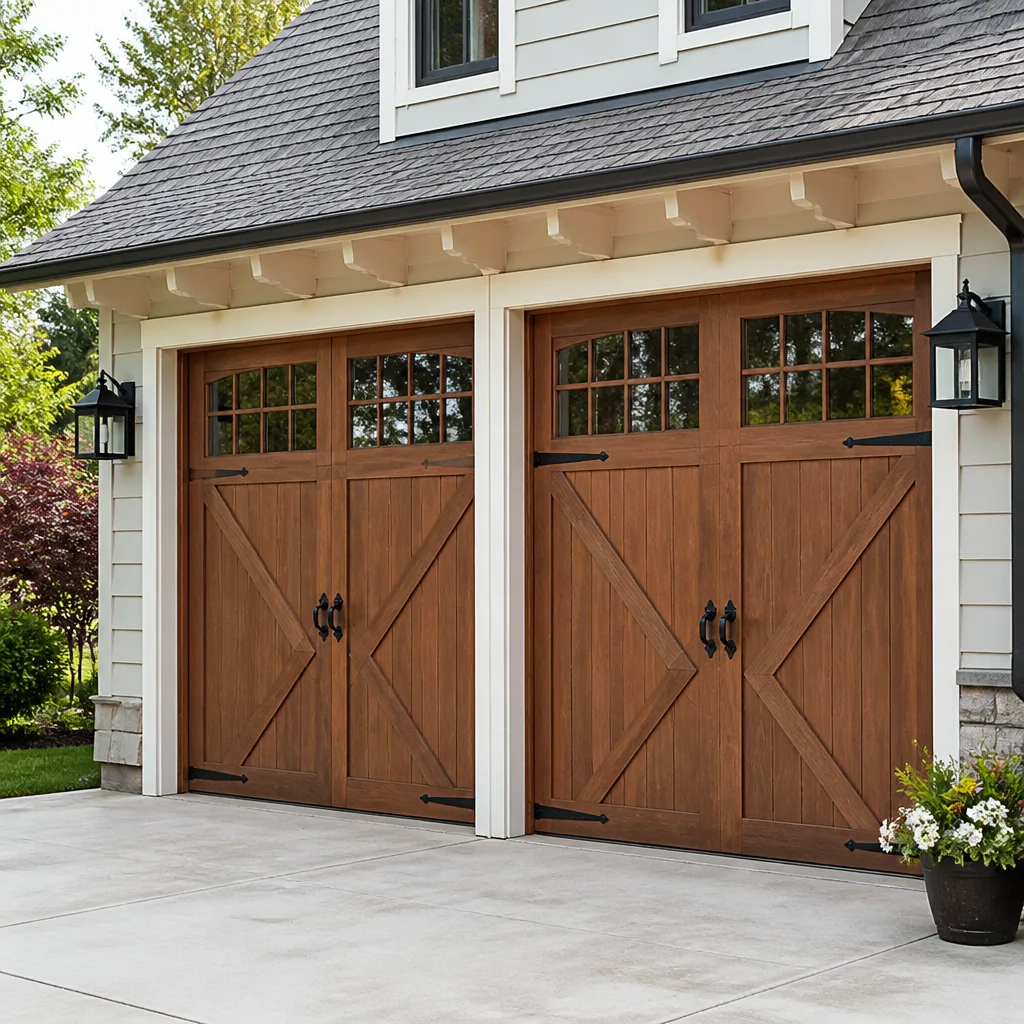 Carriage house
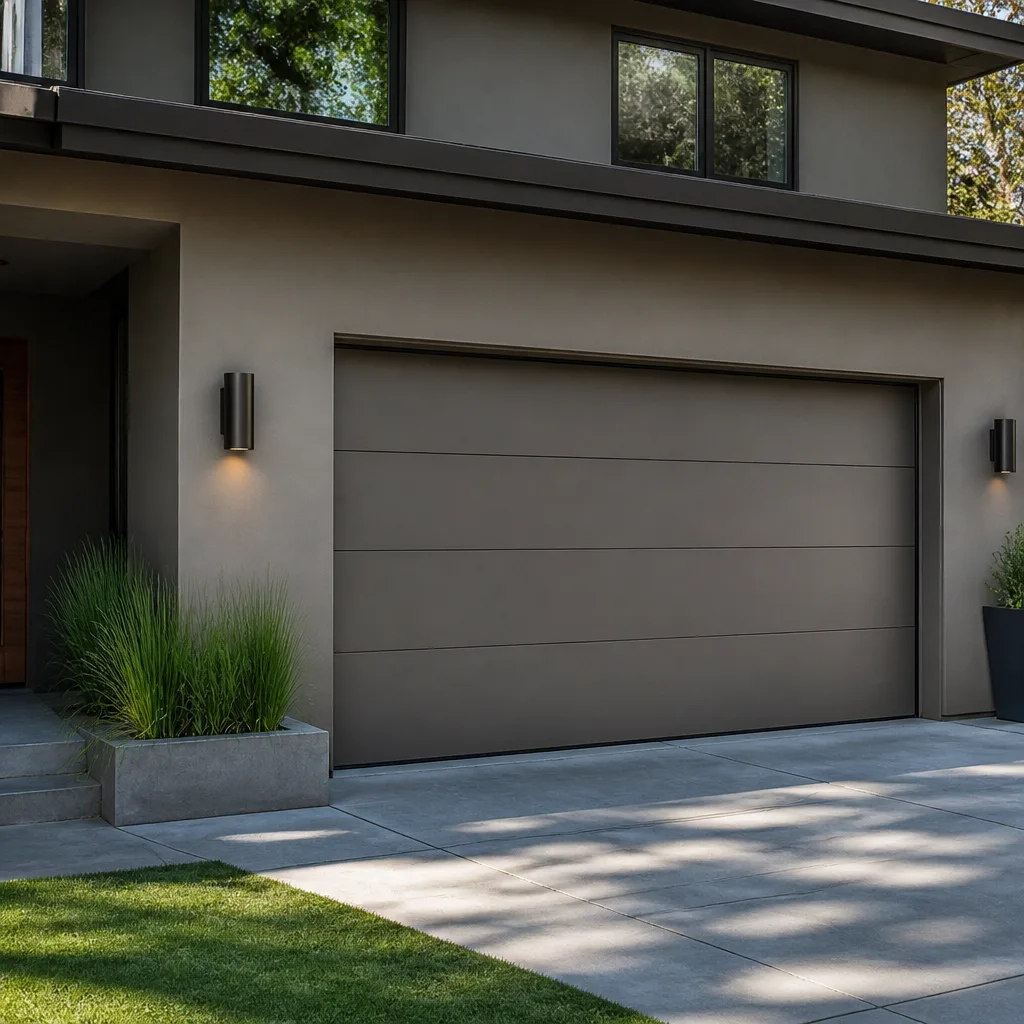 Modern flush
 Full-view glass
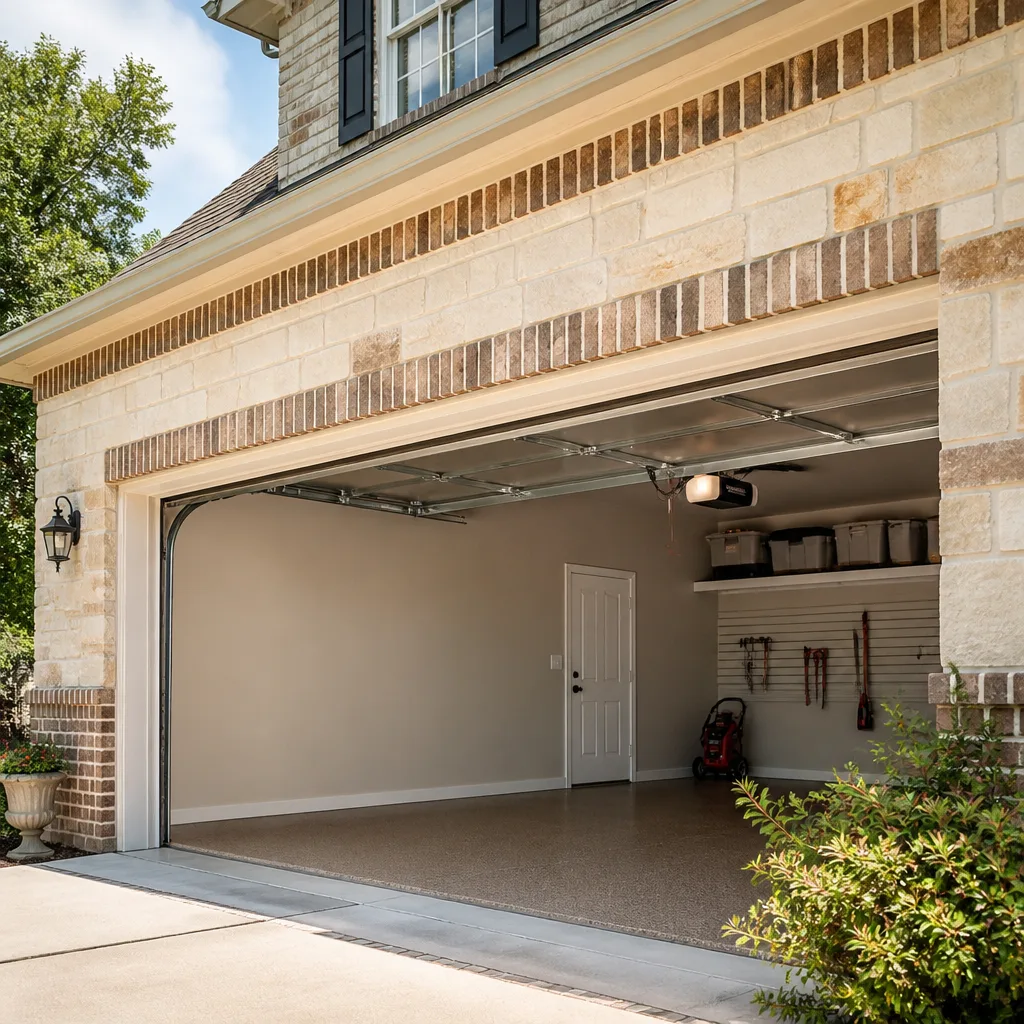 LiftMaster openers
 Chamberlain openers
Full 25-point door and opener safety check with every visit - springs, cables, rollers, tracks, and your LiftMaster or Chamberlain opener included
You get a price before we start. It does not change when the pro arrives.
Get your free estimateGarage Door Permits, Codes & Inspections in Valrico, FL: What You Need to Know
Homeowners who skip a required permit on a garage door replacement often don’t find out until they’re in a real estate transaction. That’s the part nobody warns you about. The door works fine for years, everybody’s happy, and then a buyer’s inspector asks for the permit record and there isn’t one. In Hillsborough County the rules aren’t intuitive either: a full replacement usually needs a permit, a spring swap almost never does, and the line between them is where people get into trouble. This guide lays out exactly which garage door projects in Valrico trigger a permit, which don’t, what the inspection actually covers, and how to protect yourself before anyone touches your door.
Quick Answer
In Hillsborough County, a new garage door installation or a full door replacement typically requires a building permit, while spring, cable, roller and most repair work generally does not. Permitted work gets inspected for structural attachment and wind-load compliance, which matters in this part of Florida. Always confirm the permit requirement with the county or city building department before work starts, because the final say rests with them, not with a contractor or a guide.
Styles & brands we work with
- Raised-panel steel
- Carriage house
- Modern flush
- Full-view glass
- LiftMaster openers
- Chamberlain openers
Table of Contents
- Which Garage Door Projects Need a Permit in Hillsborough County?
- What Doesn’t Need a Permit: Springs, Cables and Repairs
- Wind Load Requirements and Why They Matter in Valrico
- What the Inspection Process Actually Looks Like
- How Unpermitted Work Affects a Home Sale or Insurance Claim
- What to Ask a Contractor Before Work Starts
- If You’re Selling a Valrico Home With an Unpermitted Door
Which Garage Door Projects Need a Permit in Hillsborough County?
New installation and full replacement are the two garage door projects most likely to require a building permit in Hillsborough County. A new door changes the load path on the opening, involves new track and attachment hardware, and has to meet current wind-load standards for the structure. Those are all things a building department wants eyes on. A full replacement of an existing door with a different model or weight falls in the same category, even when the opening size stays the same.
Opener wiring is the murkier one. Replacing a plug-in opener on an existing circuit is usually treated as a minor repair. Running new electrical wiring to power a new opener, adding an outlet in the ceiling, or hardwiring anything new is electrical work, and electrical work typically needs a permit and a licensed electrician. If your new opener needs power where there wasn’t any, that piece belongs in the permit conversation.
Here’s the practical split we walk homeowners through:
- New garage door installation (new opening or new home): permit typically required.
- Full replacement of an existing door, including a different model or weight: permit typically required.
- New electrical circuit or outlet for an opener: permit typically required, plus a licensed electrician.
- Track replacement where the opening structure changes: often requires a permit, so ask.
- Spring replacement, cable replacement, roller swap, panel repair, opener repair on existing wiring: generally no permit.
The county’s building department makes the final call on any specific job, and it’s worth a phone call before you assume. If you’re in Valrico and you’re unsure which side of the line your project falls on, ask before you sign anything. For a general overview of how repairs and replacements differ in practice, our garage door repair page covers the repair side in detail.
What Doesn’t Need a Permit: Springs, Cables and Repairs
Spring, cable, roller and most repair work generally doesn’t require a building permit. These are maintenance and repair tasks that restore a door to how it was, not projects that change the structure, the load path or the opening. That’s why a torsion spring breaking on a Tuesday doesn’t set off a permit process. It’s also why garage door spring repair is one of the most common calls we get in Valrico and one of the least bureaucratic.
What counts as repair versus replacement is worth spelling out:
- Repair (generally no permit): broken spring, frayed or snapped cable, worn rollers, bent hinges, a damaged panel swapped for a matching one, opener motor or logic board failure, remote and keypad programming, safety sensor realignment.
- Replacement territory (ask about a permit): a whole new door, a different door model or weight, new track where the opening is reworked, any new electrical run.
One caveat that surprises people: if a repair turns into a de facto replacement, the permit question follows. Putting a lighter or heavier door on the same springs, cutting down the opening, or rebuilding the mount are not repairs in the eyes of a building department. If the scope drifts, stop and ask. A reputable technician will flag it before the work turns into something that needed a permit.
If your opener is the thing that failed, our garage door opener repair page explains what’s involved. Opener repair on existing wiring is a repair. Opener installation that needs a new circuit is not, and that’s the distinction to hold onto.
Wind Load Requirements and Why They Matter in Valrico
Florida’s building code includes wind-load requirements for garage doors, and they matter here. Hillsborough County sits in a part of the state where design wind speeds are high, and a garage door is the largest opening in most homes. Under wind pressure, a door that isn’t rated and anchored for the load is a weak point. That’s the whole reason the permit and inspection process exists for replacements: the county wants to know the door and its hardware are rated for the wind zone the house sits in.
What this means for door selection in Valrico:
- Wind-load rating: replacement doors need a rating that matches the design pressure for the home’s location. The door’s label and the manufacturer’s documentation carry that information.
- Reinforcement: many doors in this region use reinforced struts, heavier gauge track and additional anchors to meet the requirement.
- Attachment details: how the track and springs are anchored to the framing is part of the compliance picture, not an afterthought.
- Documentation: the product approval and installation instructions for the specific door matter. A door that’s rated but installed wrong doesn’t meet the intent.
We work with Clopay and Amarr doors regularly, and both publish wind-load information for their product lines that the building department can review. If you’re choosing a replacement door in Valrico, ask for the wind-load documentation up front. A contractor who can’t produce it is a contractor who hasn’t done this in Hillsborough County before. The exact requirement for your address is something only the county can confirm, so build that call into your timeline.
What the Inspection Process Actually Looks Like
A garage door inspection is a visual check of the installed door, its hardware and its attachment to the structure, with the permit paperwork reviewed against what’s actually there. The inspector isn’t testing your opener’s Wi-Fi. They’re checking that the door, track, springs and anchoring match the approved scope and the wind-load requirements. If the permit application described a specific door, the inspector wants to see that door.
The general sequence looks like this:
- Permit application. The contractor submits the scope, door specifications and wind-load documentation to the county. This is usually the longest single step.
- Approval. The county reviews and issues the permit. Nothing gets installed before this.
- Installation. The door goes in to the approved scope, with the anchoring and reinforcement the documentation calls for.
- Inspection request. Once the work is complete, the contractor calls for inspection.
- Inspection. The inspector reviews the door, hardware, attachment and paperwork on site.
- Sign-off. The permit closes out, and the record shows permitted, inspected work.
How long the whole thing takes depends on the county’s workload and how complete the application is, and we won’t pretend to quote a number we can’t verify. What we can tell you is that incomplete submittals are the most common cause of delay. Getting the door specification and wind-load documentation right the first time moves things along. Once the permit is issued and the door is installed, scheduling the inspection promptly keeps the process from dragging.
How Unpermitted Work Affects a Home Sale or Insurance Claim
Unpermitted garage door work can complicate a home sale, and that’s the part most guides skip. During a real estate transaction, a buyer’s inspector or the title search may surface work that has no permit record. Sometimes it stalls closing while the seller sorts it out. Sometimes it turns into a negotiation over price. Either way, it’s a headache that didn’t exist before someone installed a door without pulling the permit.
Insurance is the other side of it. If a claim involves the garage door, an insurer may look at whether the installation met code and whether the work was permitted and inspected. We’re not going to tell you a denial story, because we don’t invent those. What we will say is that permitted, inspected work is the cleaner position to be in when a claim is reviewed. The record speaks for itself.
The hardest version of this problem is a door that was installed years ago by someone who’s long gone. There’s no paperwork to produce because there never was any. If you’re buying a Valrico home and the garage door was recently replaced, ask for the permit record. If you’re selling and you know the door was replaced without one, talk to the county about how to address it before the buyer’s inspector does.
What to Ask a Contractor Before Work Starts
Ask any contractor two things before work begins: whether this specific job requires a permit, and who is pulling it if it does. A contractor who can answer both clearly and in writing is a contractor who does this regularly. One who waves the question off with “you don’t need a permit for that” without checking the county is telling you something about how they operate.
Here’s the checklist we’d hand a neighbor:
- “Does this job require a permit under Hillsborough County rules?” Ask for a straight answer, not a guess.
- “Who pulls it, and can I see the permit number once it’s issued?” The permit should be in the record before work starts.
- “Will the door meet the wind-load requirement for my address?” Ask for the product approval and installation documentation.
- “Who schedules the inspection, and will you walk me through the sign-off?” A closed permit is the goal.
- “If the scope changes mid-job, how do we handle the permit?” Ask this up front.
A specialist who does only garage doors tends to know these answers because the permit question comes up on every replacement. We work on LiftMaster, Chamberlain, Genie, Clopay, Amarr, Wayne Dalton, Craftsman and Raynor systems regularly, and the permit and wind-load conversation is part of the job, not a detour from it.
If You’re Selling a Valrico Home With an Unpermitted Door
Unpermitted garage door work doesn’t have to sink a sale, but it does need to be dealt with openly. The worst move is hoping nobody notices. Buyers’ inspectors look at garage doors closely, and a missing permit record on a recent replacement is exactly the kind of thing that surfaces mid-transaction. Getting ahead of it is cheaper and calmer than reacting to it under contract.
Start with the county. Ask what’s required to address a door that was replaced without a permit. Depending on the situation, that might mean a permit application after the fact, an inspection, or documented product approval for the door that’s installed. Every case is different and the county is the only authority on yours. What genuinely helps is having the door’s wind-load documentation and installation details on hand when you make that call.
If the door itself is in good shape and properly rated, this is a paperwork problem, not a replacement problem. If it isn’t rated for the wind zone, that’s a different conversation. Either way, resolving it before the listing goes live protects you from a negotiation you don’t want to have at the closing table. Our Valrico garage door repair specialists can look at the installation and tell you what you’re dealing with.
Common Mistakes to Avoid
- Assuming a replacement doesn’t need a permit because the opening size is the same. A new door changes the weight, the hardware and the wind-load compliance picture, which is exactly what the county wants to review. Size alone doesn’t decide it.
- Letting the contractor talk you out of the permit to save time. A contractor who avoids the permit is avoiding the inspection, and the record is what protects you later. Ask for the permit number.
- Mixing up opener repair and opener installation. Fixing an opener on existing wiring is a repair. Running a new circuit for a new opener is electrical work, and that usually needs its own permit.
- Skipping the wind-load documentation. In this part of Florida, the rating and installation details for the specific door are the core of the inspection. Without them the submittal stalls.
- Assuming a spring swap needs a permit. It generally doesn’t, and paying for a permit you don’t need is just as much a mistake as skipping one you do. The safety risk with springs is real, but it’s a safety issue, not a paperwork one.
- Waiting until the home inspection to check the permit record. Pull the record before you list or before you close. Sorting it out mid-transaction costs more time and leverage.
- Letting the scope drift without re-checking. A repair that turns into a replacement mid-job crosses the permit line. Stop and ask the county before the work goes further.
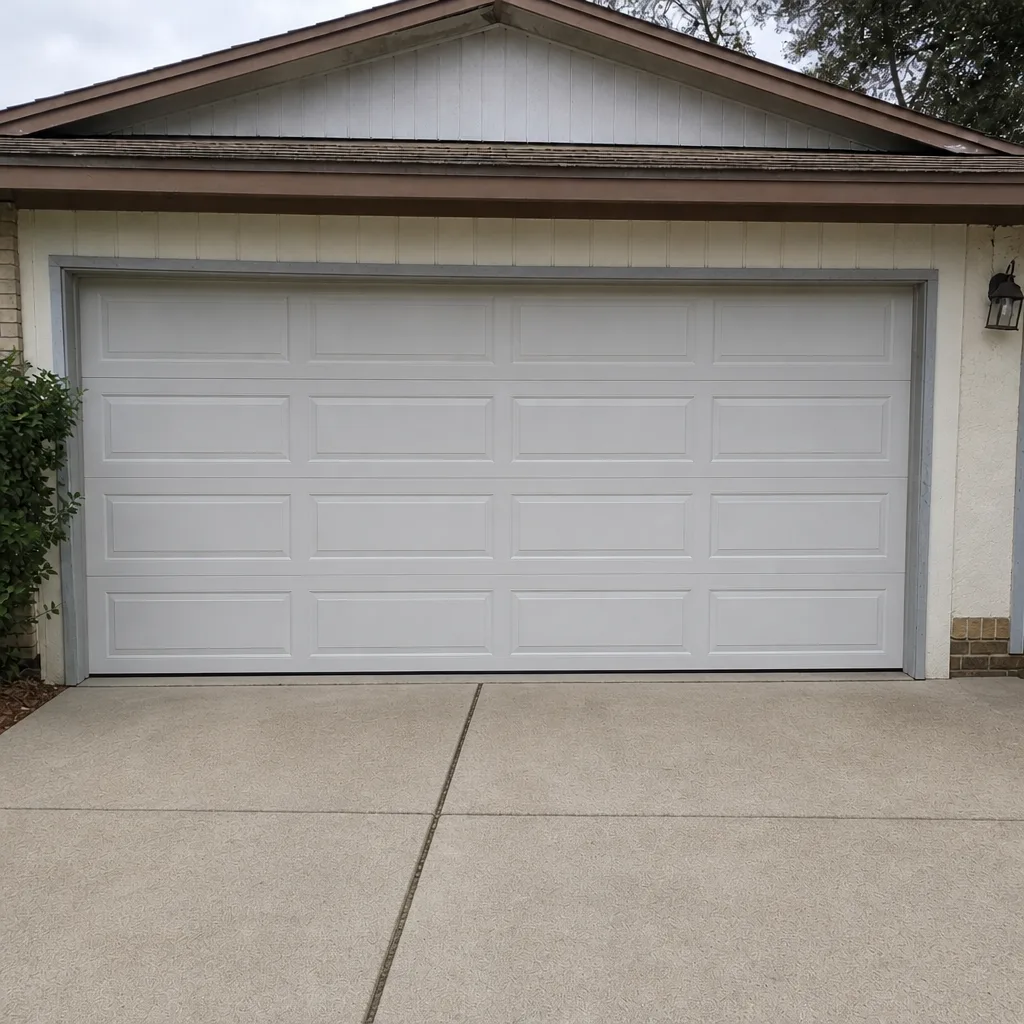
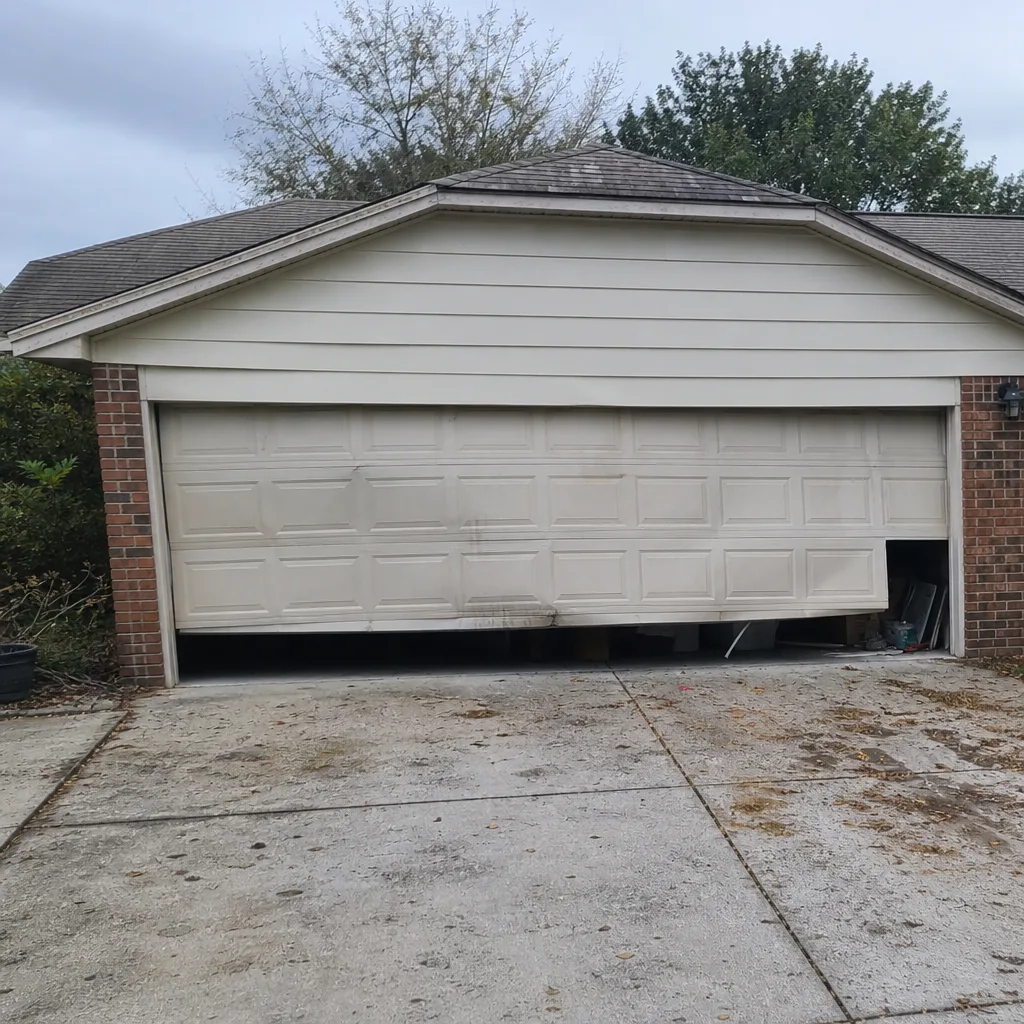
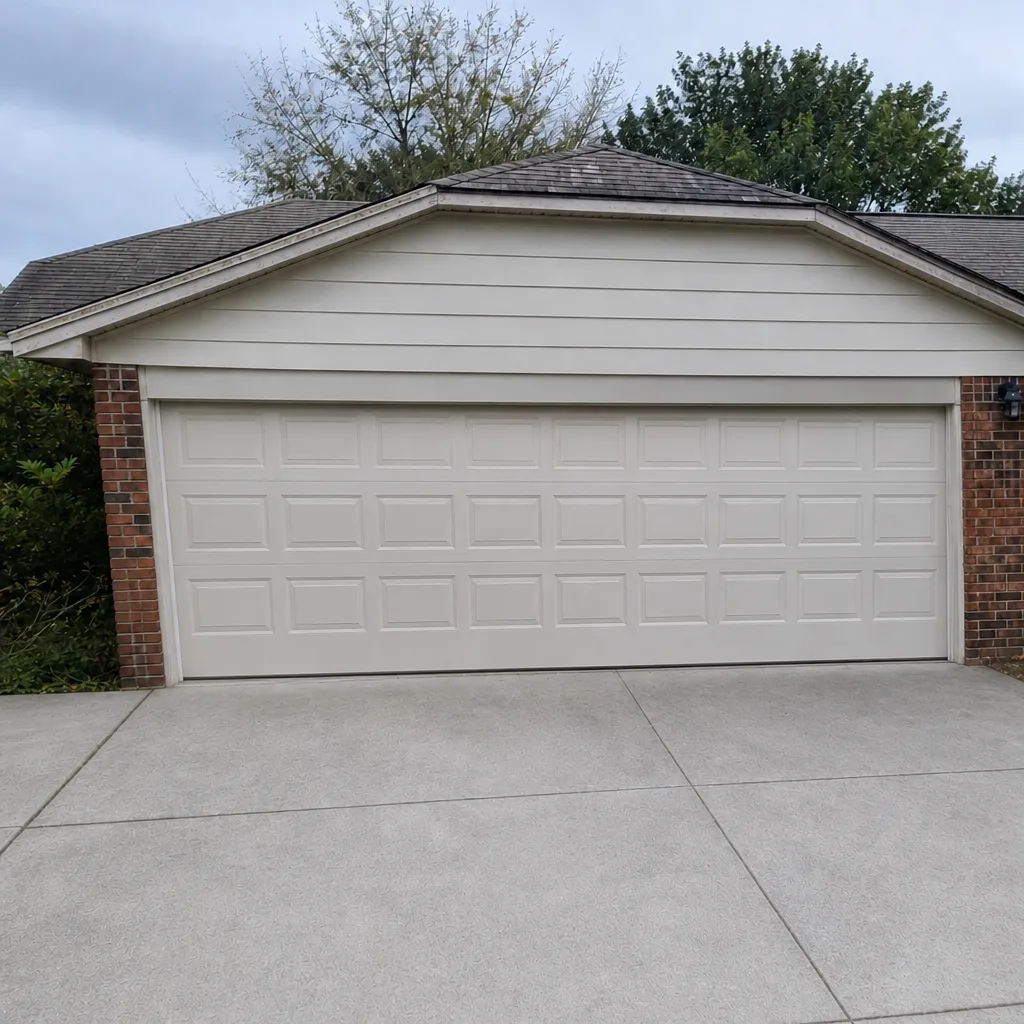
See the difference
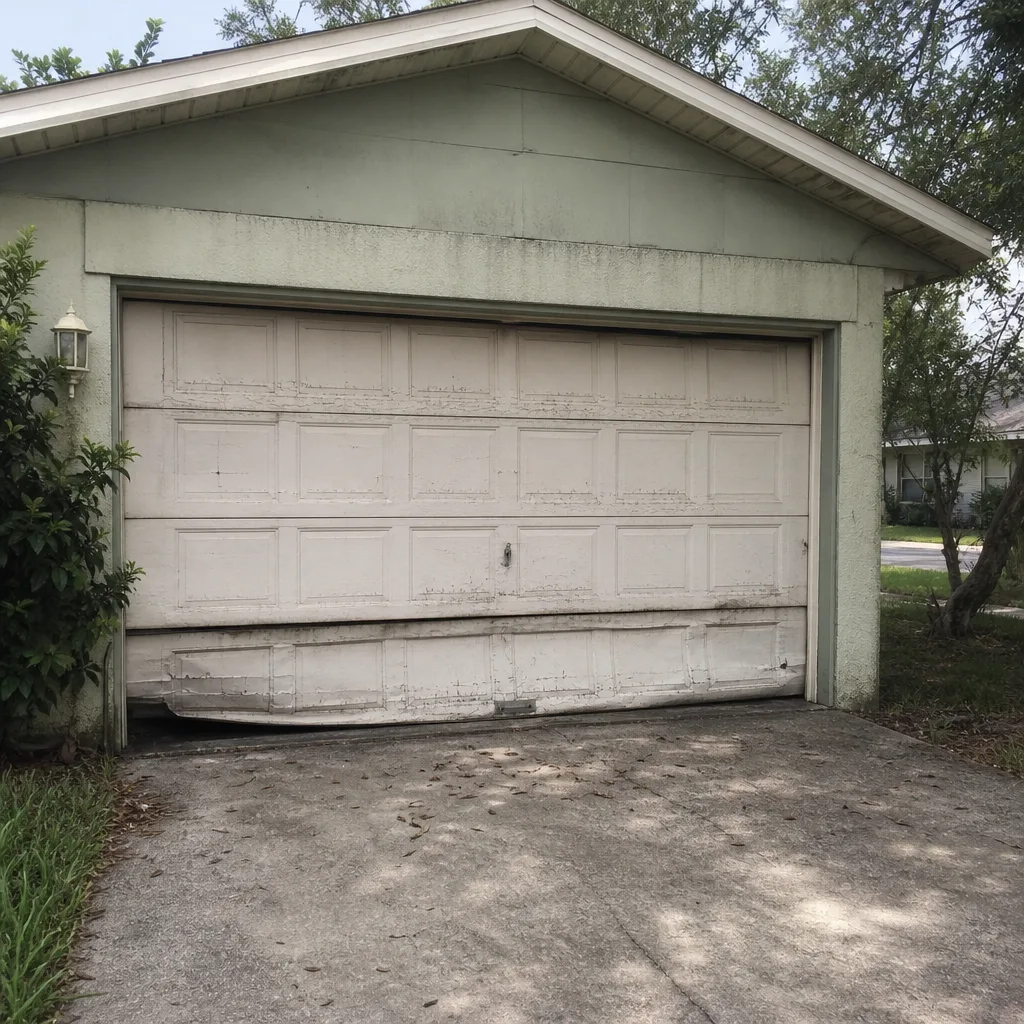 Before
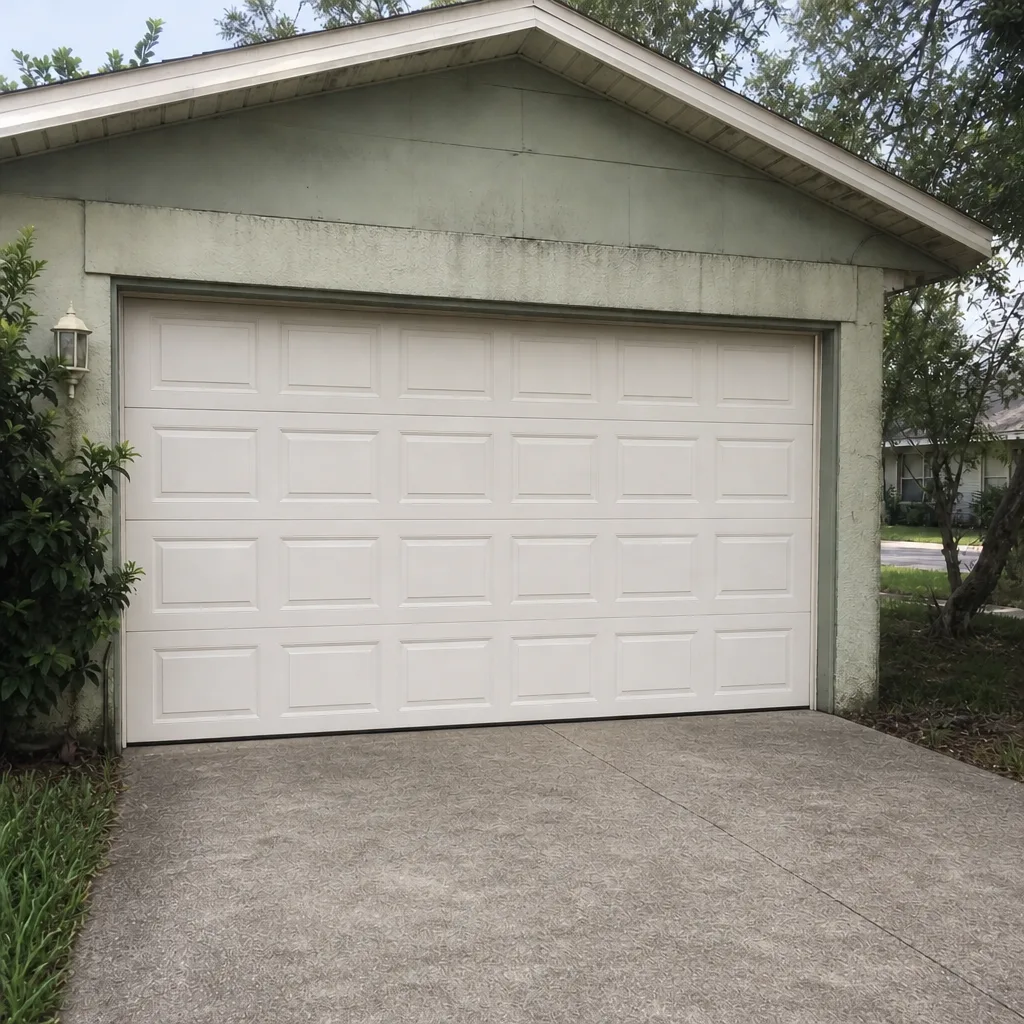 After
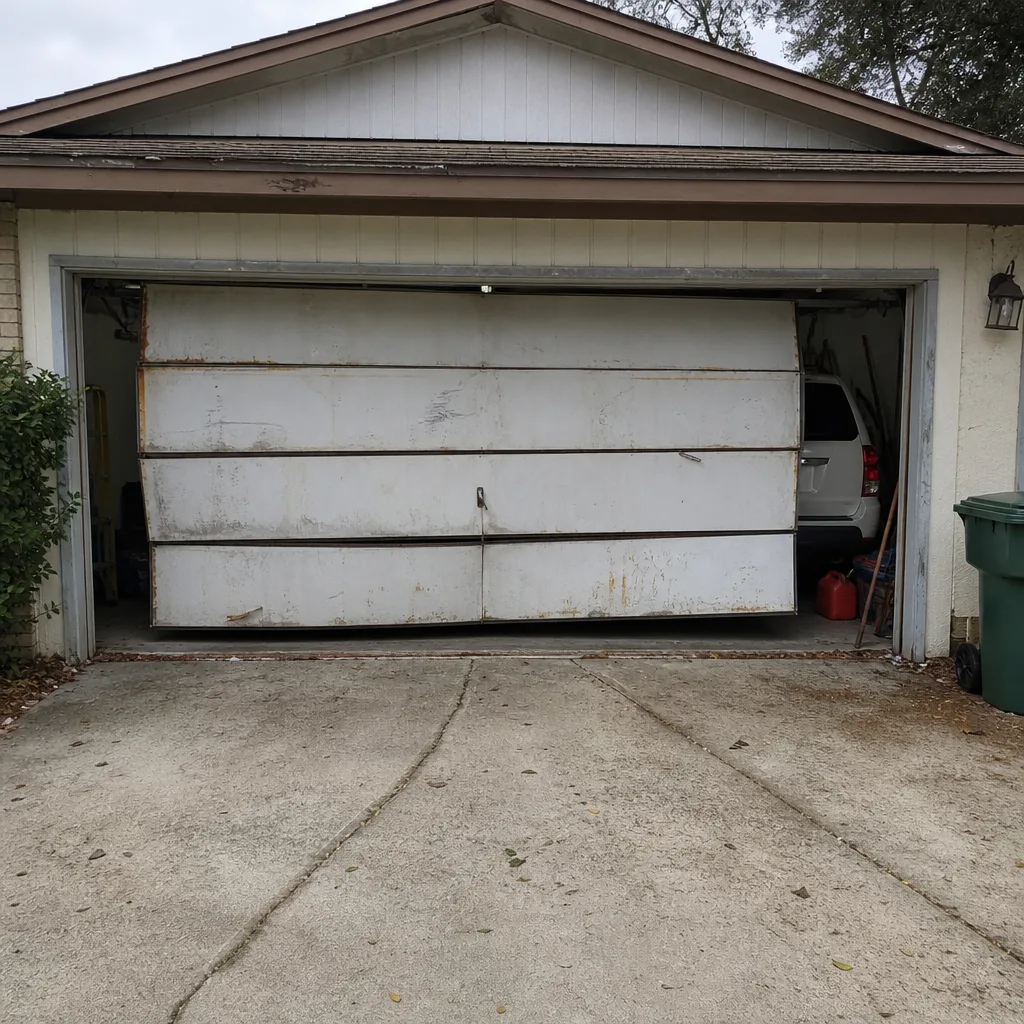 Before
 After
 Before
 After
When to Call a Professional
Call a professional when the door won’t move, when a spring or cable has failed, when the opener runs but the door doesn’t, or when you’re planning a replacement and need someone who understands the permit and wind-load side of it. Garage door springs and cables are under heavy tension, and a failed one can cause serious injury. That’s not a job to learn on. Electrical work for a new opener is electrician territory. And any replacement that needs a permit is a job where documentation matters as much as installation.
Valrico Garage Door Repair offers free estimates in Valrico. Call (866) 346-9311. We answer 24/7. Fast dispatch from 7am to 7pm, Sunday through Friday. Our technicians have up to 8 years of experience, and garage doors are all we do.
Frequently Asked Questions
In most cases, yes. A full garage door replacement in Hillsborough County typically requires a building permit because the door’s wind-load rating and attachment have to be reviewed and inspected. Confirm the requirement with the county building department before work starts, since they make the final call. Call (866) 346-9311 for a free estimate on the installation itself.
No, spring replacement generally doesn’t require a permit. Springs, cables, rollers and most repair work restore the door to how it was rather than changing the structure, so they fall outside the permit process. The work is still safety-critical because of the tension involved, so it belongs with a trained technician. Call (866) 346-9311 for an estimate.
An inspection checks the installed door against the permitted scope, including the door model, track, spring hardware and how everything is anchored to the framing. The inspector also reviews the wind-load documentation and product approval for the specific door. It’s a visual review, not a performance test. Call (866) 346-9311 with questions about your replacement.
An unpermitted door can stall or complicate a sale when the buyer’s inspector or title search surfaces the missing permit record. The fix depends on the situation and starts with a call to the county about how to address it. Having the door’s wind-load documentation on hand makes that conversation easier. Call (866) 346-9311 if you need the installation reviewed.
It depends on the scope. Replacing an opener on existing wiring is generally a repair with no permit. Running a new electrical circuit or adding an outlet for the opener is electrical work, which typically needs a permit and a licensed electrician. Ask before the job starts. Call (866) 346-9311 for opener repair on an existing setup.
Check the door’s label and the manufacturer’s product approval documentation for the wind-load rating, then confirm with the county that it matches your address. The rating has to fit the design pressure for the location, not just the door model in general. If the paperwork is missing, that’s the first thing to sort out. Call (866) 346-9311 for a look at the installation.
The Bottom Line
The permit rule for garage doors in Valrico comes down to one split: new installation and full replacement usually need a permit and an inspection, while springs, cables, rollers and most repairs generally don’t. Opener wiring is the gray area, and new electrical work usually needs its own permit. Wind-load compliance is the reason the replacement permit exists, and the record it creates is what protects you at a home sale or an insurance claim. Ask your contractor who’s pulling the permit and whether the door is rated for your address. If you’re not sure which side of the line your project falls on, call the county. Then call us for the work.
Valrico Garage Door Repair offers free estimates in Valrico. We answer 24/7 and dispatch from 7am to 7pm, Sunday through Friday. Garage doors are all we do, and one call covers your make and model. Call (866) 346-9311 today.
Written by the team at Valrico Garage Door Repair.