
Last updated November 20, 2026
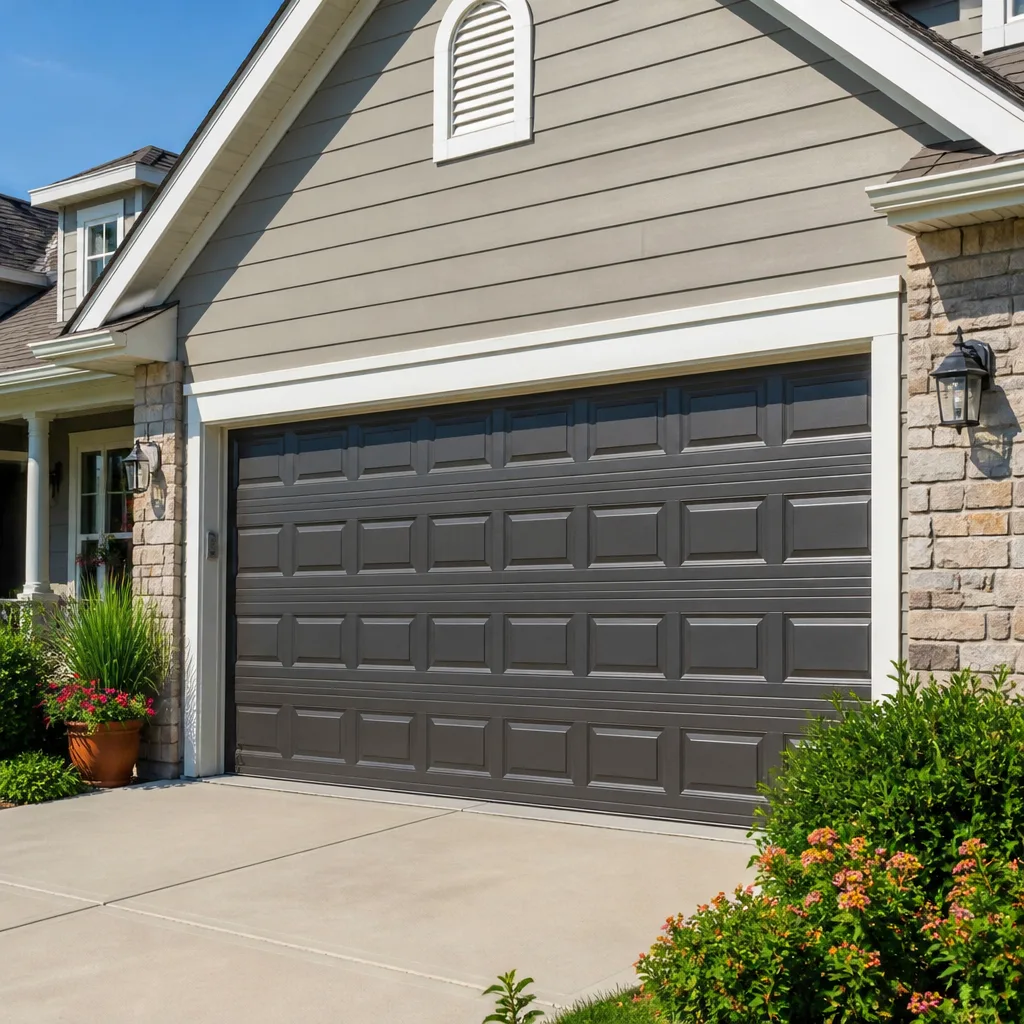 Raised-panel steel
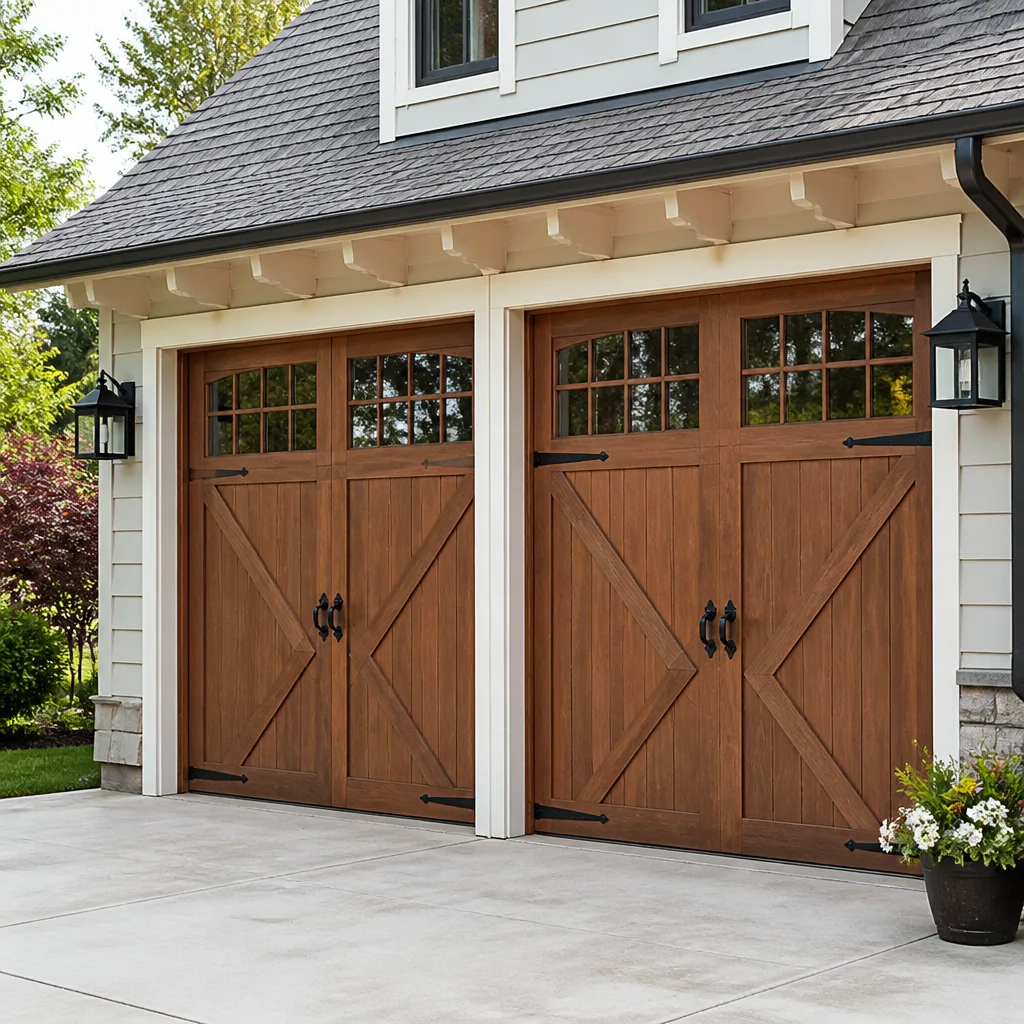 Carriage house
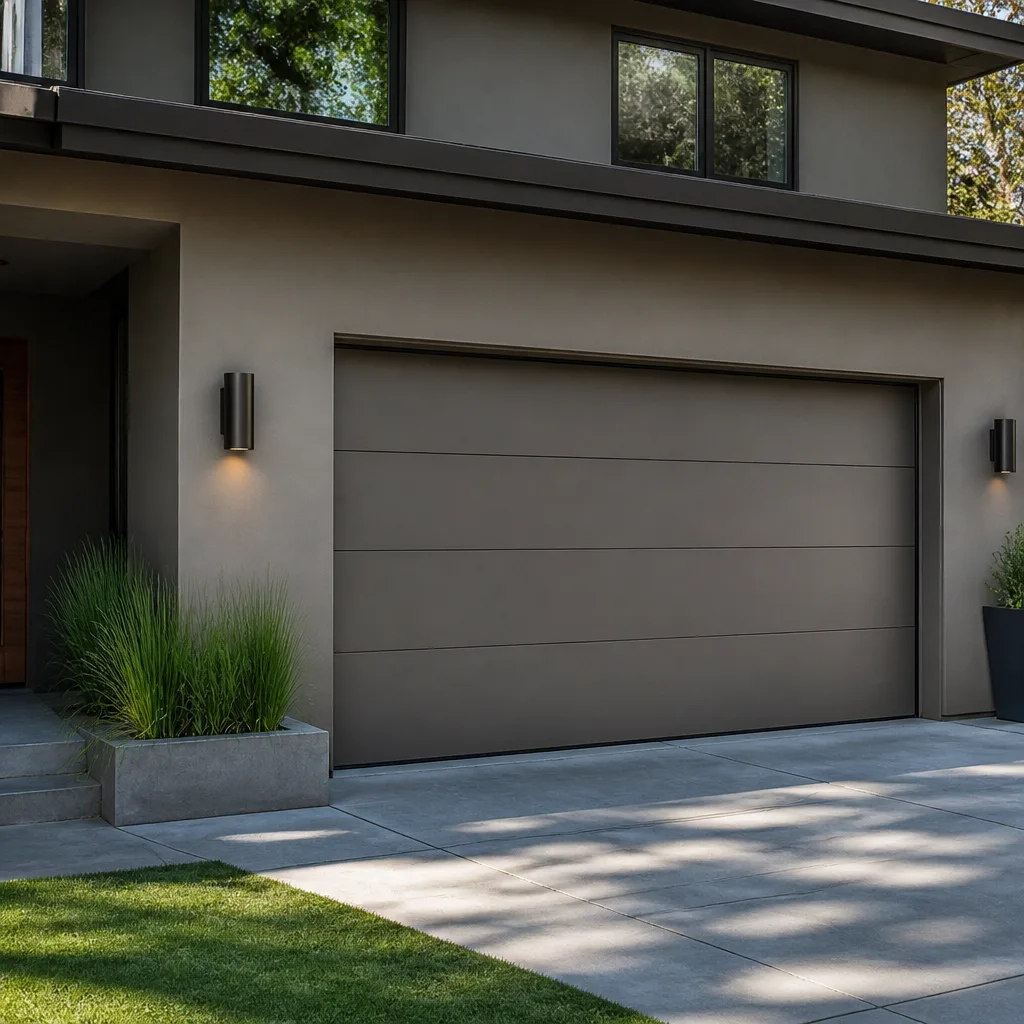 Modern flush
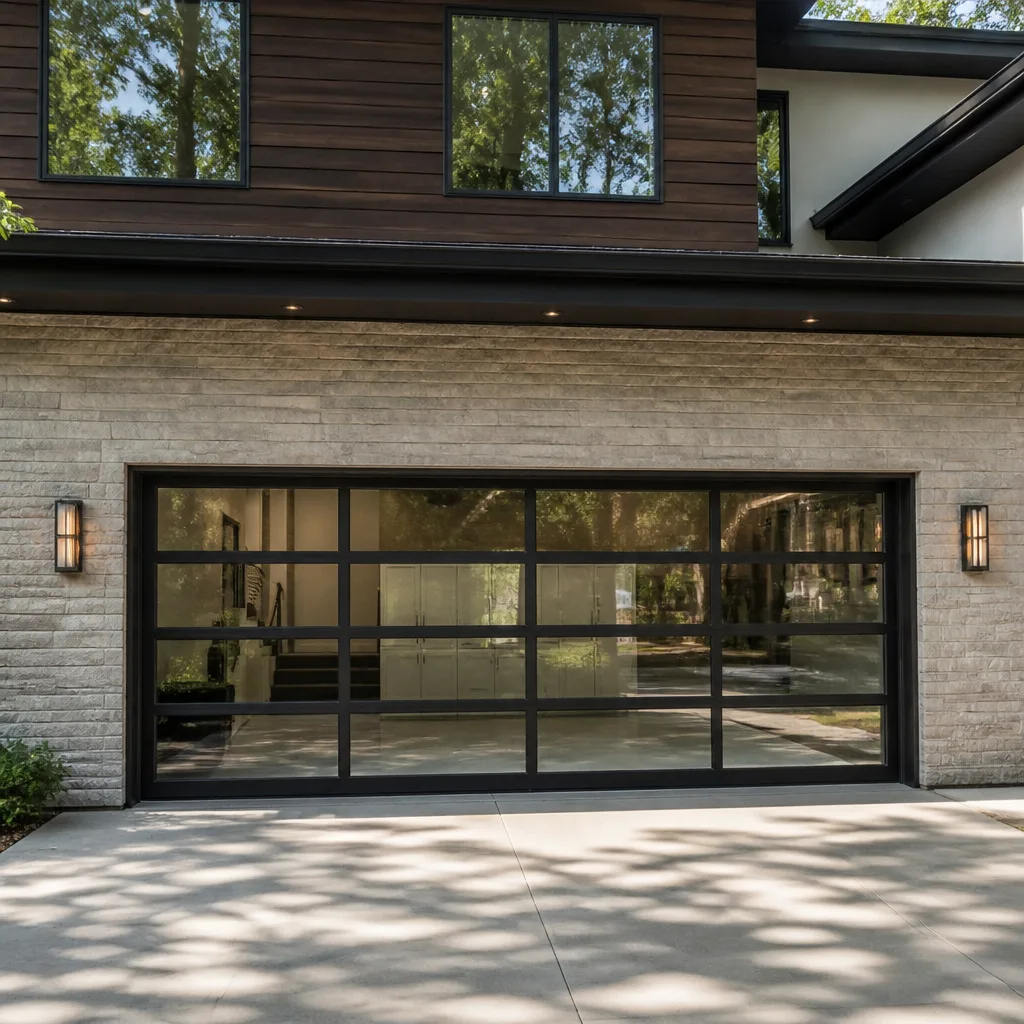 Full-view glass
 LiftMaster openers
 Chamberlain openers
Full 25-point door and opener safety check with every visit - springs, cables, rollers, tracks, and your LiftMaster or Chamberlain opener included
You get a price before we start. It does not change when the pro arrives.
Get your free estimateGarage Door Warning Signs: A Valrico Homeowner’s Reference Guide
Most garage door warning signs get ignored because they don’t stop the door from working. The door still opens. The car still gets out. So the two-second hesitation, the grind at the halfway point, or the section that looks slightly crooked gets filed away as “just how it sounds now.” That’s the mistake this guide is built to correct. A door that hesitates isn’t being difficult; it’s telling you which component is wearing out, and how long you have before it quits entirely. Below, we map each symptom to its likely cause and its repair window, so you can decide what to fix today, what to schedule in the next month or two, and what to simply keep an eye on. This is written from Valrico, for Valrico homeowners.
Quick Answer
The warning signs that need a call today are a door that reverses before closing, a snapped torsion spring, a door hanging crooked with one side lower than the other, and any grinding that gets louder each cycle. Signs that give you a 30 to 60 day window include slow opener response, a door that hesitates before moving, rattling panels, and a remote that needs to be held longer than it used to. Signs you can monitor are minor cosmetic wear, a single loose hinge bolt, and small paint or seal issues. When in doubt, a free estimate in Valrico costs you nothing and settles the question in minutes.
Styles & brands we work with
- Raised-panel steel
- Carriage house
- Modern flush
- Full-view glass
- LiftMaster openers
- Chamberlain openers
Table of Contents
- Symptom-to-Cause Map: What Each Warning Sign Actually Means
- Urgent vs. 30-60 Day Window: How to Sort Your Warning Signs
- What You Can Check Yourself Before Calling
- Door Warning Signs vs. Opener Warning Signs
- The One Warning Sign Homeowners Explain Away Before a Spring Failure
- How Valrico Conditions Affect Your Door
- Repair Windows and Typical Cost Ranges in Valrico
- Why the Fix and the Cost Differ So Much Between Door and Opener
Symptom-to-Cause Map: What Each Warning Sign Actually Means
Every garage door symptom points to a small number of mechanical sources. Once you know which one, you know whether you’re looking at a quick adjustment or a component that’s on its way out. Here’s the map we use on every diagnostic call in Valrico.
- Grinding or a metal-on-metal scrape: Usually worn rollers, a dry or failing bearing, or a torsion spring under tension. Grinding that intensifies over a few days is the loudest signal in the trade.
- Hesitation before the door moves: Most often a straining opener motor, a binding track, or a torsion spring that has lost some of its lift. The motor is working harder to move weight it used to lift easily.
- Uneven movement (one side rises faster): A stretched or broken cable on one side, a track out of alignment, or uneven spring tension. This puts stress on the whole system and is never cosmetic.
- Slow response to the remote: Almost always the opener’s logic board, safety sensor alignment, or a battery in the remote. Rarely the door itself.
- Sagging sections: A bent or broken hinge, a warped panel from heat, or a bent track. Panel sag is usually structural and gets worse with every cycle.
- Door reverses immediately after touching the floor: Safety sensor obstruction or misalignment, or a limit switch set too far. The door is doing exactly what it’s designed to do – you need to find out why.
- A loud bang from the garage, then the door won’t open: A torsion spring has snapped. Stop using the door. This is the emergency category.
In our experience working on garage door repair across Valrico, the two symptoms homeowners mention most are the hesitation and the grind – and both usually point to springs or rollers, not the opener they suspect.
Urgent vs. 30-60 Day Window: How to Sort Your Warning Signs
The first question isn’t “what’s wrong.” It’s “how fast do I need to act.” Most garage door problems fall into one of three buckets, and knowing which bucket you’re in saves both money and stress.
- Call today (same-day repair): A snapped spring, a door that’s off its track, a door hanging crooked, grinding that’s clearly getting worse each cycle, or a door that reverses without a visible obstruction. These are the situations where waiting risks a bigger repair or a door you can’t open at all.
- Schedule in the next 30 to 60 days: Slow opener response, a door that hesitates before moving, rattling or vibrating panels, a remote that needs to be held longer, or a single rough roller. These components have a predictable wear curve – you’re seeing the early part of it.
- Monitor: One loose hinge bolt you can tighten yourself, minor weather seal wear, small paint chips on a steel door, or a squeak that a little lubrication quiets. None of these are repair-window markers yet.
The line between urgent and window is almost always about tension. A component under load – springs, cables, torsion bars – fails suddenly and without warning once it’s worn. Components under light load – rollers, hinges, seals – wear predictably and usually announce themselves. That’s why a grinding door is “call now” and a slightly noisy one is “schedule soon.” For the abrupt failures, call garage door spring repair before you try to use the door again.
What You Can Check Yourself Before Calling
A two-minute visual pass narrows the cause faster than anything we can do over the phone. None of these checks require tools, and none of them put you near the springs or cables. Here’s the sequence:
- Look at both sides of the door as it opens. Stand back and watch the gap between the door’s bottom edge and the floor, and between the door and the tracks. One side higher or one side further back means a cable or track problem.
- Check the safety sensors at the base of the tracks. Both should have a steady light (not blinking). Wipe the lenses with a dry cloth. A blinking light means a sensor is misaligned or blocked, and the door won’t close until it’s fixed.
- Look at the springs above the door. A torsion spring mounted on a bar above the door should be one continuous coil. A visible gap in the coil means it’s broken. Stop here – don’t touch it.
- Look at the rollers and hinges on each panel. Worn rollers look flattened or have missing wheels. A hinge that’s coming loose or bent is visible. If a roller is out of its track, don’t force it.
- Listen for the direction of the noise. Grinding from the springs above means springs. Grinding from the tracks or the sides means rollers or hinges. A hum from the opener unit itself means the opener.
- Check the opener’s indicator light. Most modern units flash a code when they detect a fault. Your manual will tell you which code is which – that alone can save you a service call.
What you shouldn’t check is anything that requires reaching into the torsion bar area or handling the cables. Those hold the weight of the door, and a wound spring stores enough energy to seriously injure anyone near it. Visual check only.
Door Warning Signs vs. Opener Warning Signs
This is the split that decides which service you actually need – and the biggest reason homeowners overspend or underspend on a repair. The door and the opener are two separate systems that happen to work together. Symptoms point to one or the other.
Door-side warning signs
- Visible gap in a torsion spring, or a snapped spring
- Door hanging crooked or off its tracks
- Grinding, scraping, or a metal-on-metal sound coming from the sides or above
- One side rising faster than the other
- Panel sag, bent hinges, or a section that’s visibly out of line
- Door doesn’t close flush and stops with a gap at the floor
Opener-side warning signs
- Remote or wall switch unresponsive, or needs to be held longer than usual
- Motor runs but the door doesn’t move (or moves only slightly)
- Door reverses immediately after touching the floor without a visible obstruction
- Indicator light on the unit flashing a fault code
- Loud hum with no movement (operator motor or gear failure)
- Wi-Fi or app connectivity drops on connected units
The split matters because a door problem on a well-functioning opener usually means a mechanical repair, while an opener problem on a well-functioning door is electronics and motor. If your door is hanging crooked, that’s the door, not the opener – and calling it an opener issue delays the fix. If the motor hums but nothing moves, it’s the opener, and repainting the door won’t help. Our garage door opener repair work covers both legacy units like Craftsman and Genie and current smart platforms like LiftMaster and Chamberlain, because the diagnostic approach is the same even when the parts aren’t.
The One Warning Sign Homeowners Explain Away Before a Spring Failure
The single sign homeowners most consistently talk themselves out of is loudness on the first opening of the day. It sounds dramatic for two seconds and then it’s fine for the rest of the day, so it gets explained away as “the door warming up” or “just the cold.” That’s not what it is. A torsion spring that has lost tension makes the opener work harder to start the door, and that initial strain is what you’re hearing. When the spring finally fails, it fails completely and without preamble – usually as a bang.
What most people don’t realize is that a torsion spring doesn’t gradually weaken in a way that shows up as slow door operation. It holds until it doesn’t. So the “loud on first use” pattern is actually the last warning you’ll get before a snap, which means it belongs in the urgent category, not the monitor category.
The other signs that pair with it:
- The door feels heavier than it used to when you lift it by hand with the opener disengaged
- The opener strains at the very start of the cycle, then normalizes
- Visible gap or sag in the spring coil above the door
- Cable on one side looks loose or has jumped off its drum
If you see any two of these together, treat it as a spring problem and don’t wait. Spring repair is the most safety-critical job in the trade, and it’s the one we’d rather you didn’t attempt on your own.
How Valrico Conditions Affect Your Door
Central Florida’s climate puts specific strain on garage door components. The combination of summer heat, high humidity, and heavy afternoon thunderstorms shapes what fails first here.
Heat warps panels and stresses springs. A steel or aluminum door in a Valrico summer absorbs significant heat on the side facing the sun, and over time panels can bow or warp, especially thinner-gauge steel. Springs cycle in higher ambient temperatures than they were calibrated for, which shortens their useful life somewhat compared to cooler climates.
Humidity and rain drive lubrication and rust. Garage doors in Valrico are exposed to more humidity than many homeowners realize, especially doors that face the prevailing weather. Rollers dry out, hinges rust, and tracks pick up grit from windblown rain. Regular lubrication is the single most effective maintenance step in this climate, and it’s the one most homeowners skip.
Storm season stresses everything. Florida’s storm season brings wind-driven rain and debris that can jam tracks, dent panels, and misalign sensors. After a storm, a quick visual pass on the tracks and sensors catches most damage before it becomes a repair.
What we don’t see here is the winter freeze damage that northern doors contend with. That’s one reason a properly maintained Valrico door tends to have a cleaner wear profile than the same door in a cold climate – the failures are about heat and humidity, not ice and salt.
Repair Windows and Typical Cost Ranges in Valrico
Here’s the practical part: what’s likely to cost you what, and when you need to act. These are typical ranges for the Valrico market. A written estimate sets the final price, and it’s quoted and agreed before any work starts.
- Torsion spring replacement (one spring): $180 to $340 typical. A matched pair is usually replaced together, so a pair runs about twice that. Call today.
- Roller replacement (full set): $150 to $300 typical. Schedule in the next month.
- Hinge or bracket repair: $100 to $250 typical. Monitor if it’s a single loose bolt; schedule if bent.
- Track realignment: $150 to $300 typical. Call today if the door is off track, schedule if it’s drifting.
- Cable replacement: $180 to $400 typical. Call today – cable repair is not a DIY job.
- Safety sensor replacement: $100 to $220 typical. Schedule within a week.
- Limit switch adjustment: $90 to $180 typical. Schedule within a week if the door reverses repeatedly.
- Opener gear or motor repair: $200 to $450 typical. Call today if the door won’t move at all.
Notice how the ranges split. Door and mechanical problems cluster higher because the parts and labor are heavier. Opener diagnostics land in the middle. Sensor and adjustment work is lower because it’s quick. If you’re seeing two symptoms at once, it’s often a single underlying cause, which is why a proper diagnostic saves you from paying for two repairs that are really one.
Our technicians have up to 8 years of experience on the eight major brands – LiftMaster, Chamberlain, Genie, Clopay, Amarr, Wayne Dalton, Craftsman, and Raynor – which means diagnosis on almost any make or model in a Valrico home happens on the first visit. Get a free estimate by calling (866) 346-9311. We answer 24/7. Fast dispatch from 7am to 7pm, Sunday through Friday.
Why the Fix and the Cost Differ So Much Between Door and Opener
A door repair and an opener repair are not the same job, even though they fix the same inconvenience. The door is mechanical: springs, cables, rollers, hinges, tracks, and panels. The opener is electronic and electromechanical: motor, logic board, sensors, and drive mechanism. The parts audit is different, the tool set is different, and the skill is different.
That’s why the specialty angle matters. A garage door specialist works on both sides of that line all day, every day, and knows which symptom belongs to which. A generalist sees a door that won’t open and starts guessing. The guess might work, or it might replace the opener when the door was the problem. We’ve seen doors get a brand-new opener to fix a symptom that was actually a worn roller set the whole time – a fix that costs more than the actual problem.
The same logic applies to brands. An opener built by LiftMaster and a legacy Craftsman unit share some architecture but diverge in diagnostics. Raynor doors handle differently from Clopay doors depending on panel configuration, spring setup, and hinge style. Factory familiarity with those eight brands matters because the failure pattern is almost always brand- and model-specific. We work on those systems regularly – both older units and current smart platforms – which means diagnosis goes faster and the first fix tends to stick.
On the cost side, that translates into fewer return visits and less trial-and-error. The written estimate should cover what’s actually wrong, not a guess that gets corrected on the next call. And the price you agree to is the price you pay.
Common Mistakes to Avoid
- Ignoring the first-of-the-day noise. The loud bang that isn’t quite a bang yet is a spring telling you it’s close to failing. Waiting for the actual snap usually means a stranded car and a bigger bill than the same repair scheduled a few weeks earlier. Call Valrico Garage Door Repair and let a specialist listen to it.
- Assuming it’s the opener. The opener is the most replaced part on a garage door and the least often the actual problem. If the door feels heavy or grinds, diagnosis should start at the door, not the opener.
- Greasing the springs. Lubricating a torsion spring can make it hold tension unevenly and is not recommended. Lubricant belongs on rollers, hinges, and the opener’s drive track, not on the springs themselves.
- Forcing a crooked door back into place. A door hanging crooked means a cable or track is compromised. Forcing it stresses the parts further and can shear a cable. Stop using the door and call.
- Tightening every bolt on the door as a “fix.” Some brackets are designed to allow movement for thermal expansion. Over-tightening them can crack the panel or deform the track. Check for visibly loose bolts only.
- Replacing the whole opener when the sensors are the problem. A reversing door with a blinking sensor light usually needs a sensor alignment, not a new unit. Confirm the sensor is the issue before signing off on an opener replacement.
- Banking on warranty before checking the age of the unit. Most opener warranties expire after a defined period, and what feels like a “free fix” often turns out to be out-of-warranty. Ask about the unit’s approximate age before assuming coverage.
See the difference
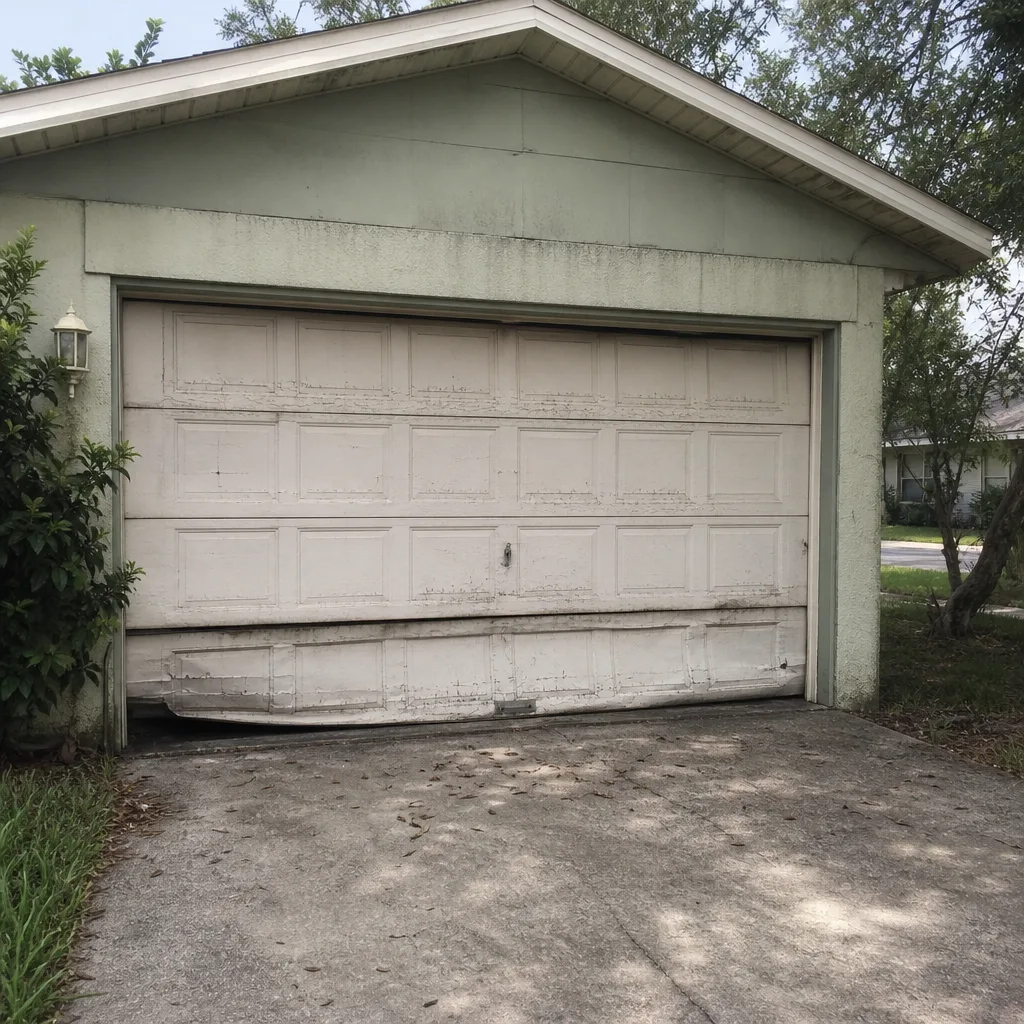 Before
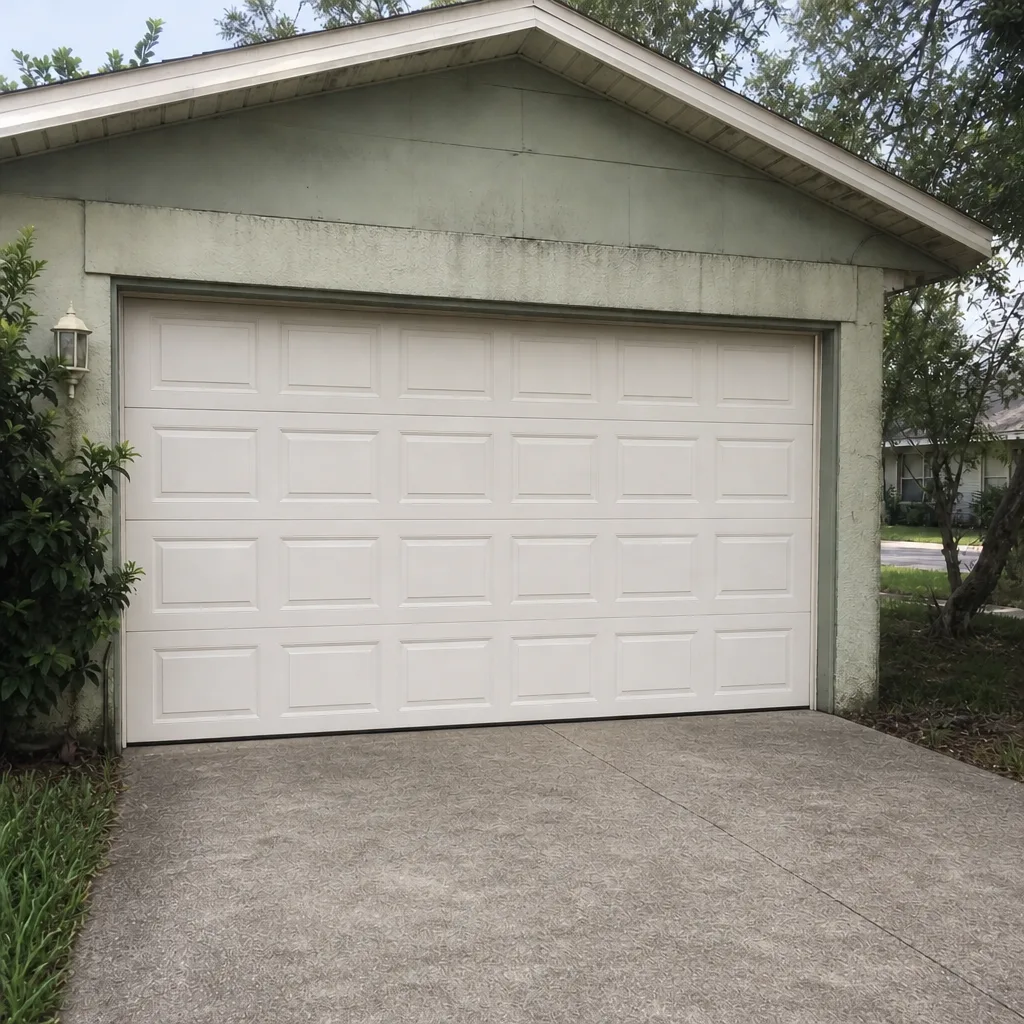 After
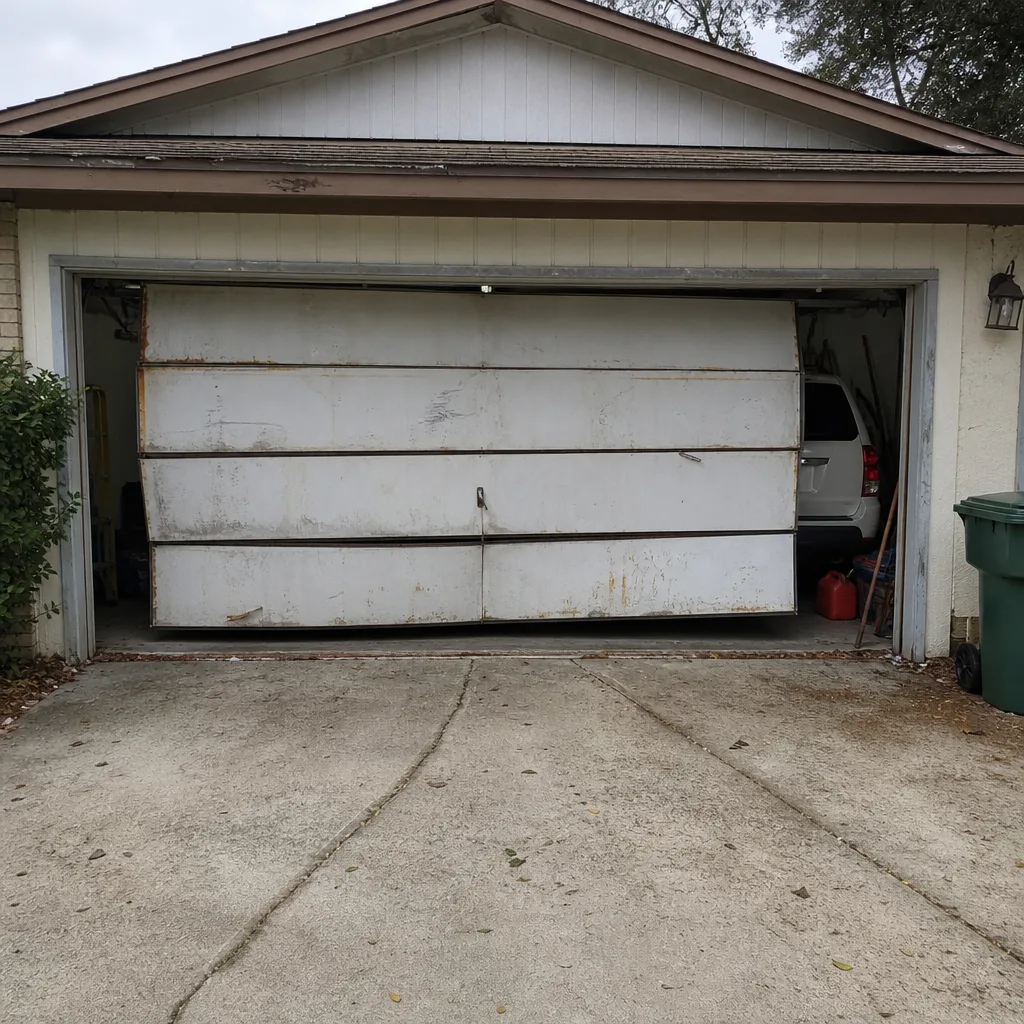 Before
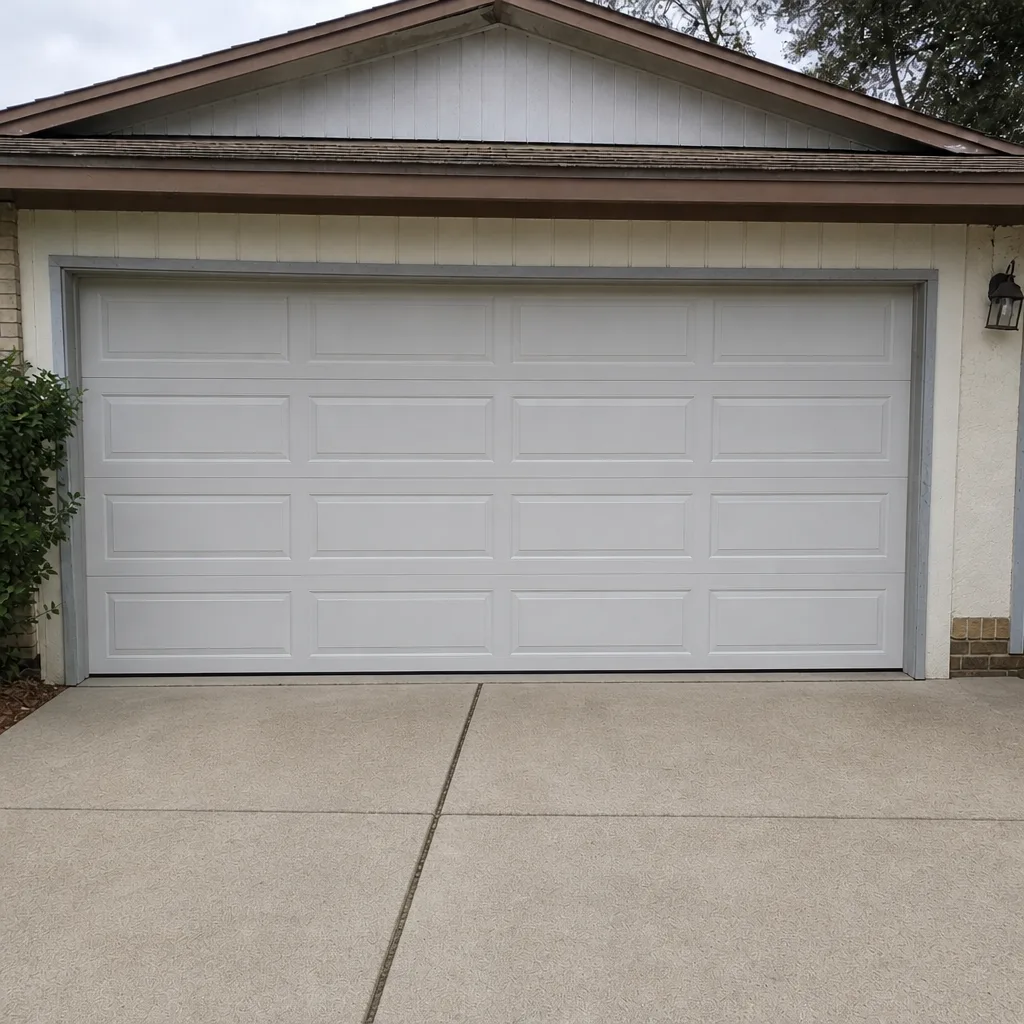 After
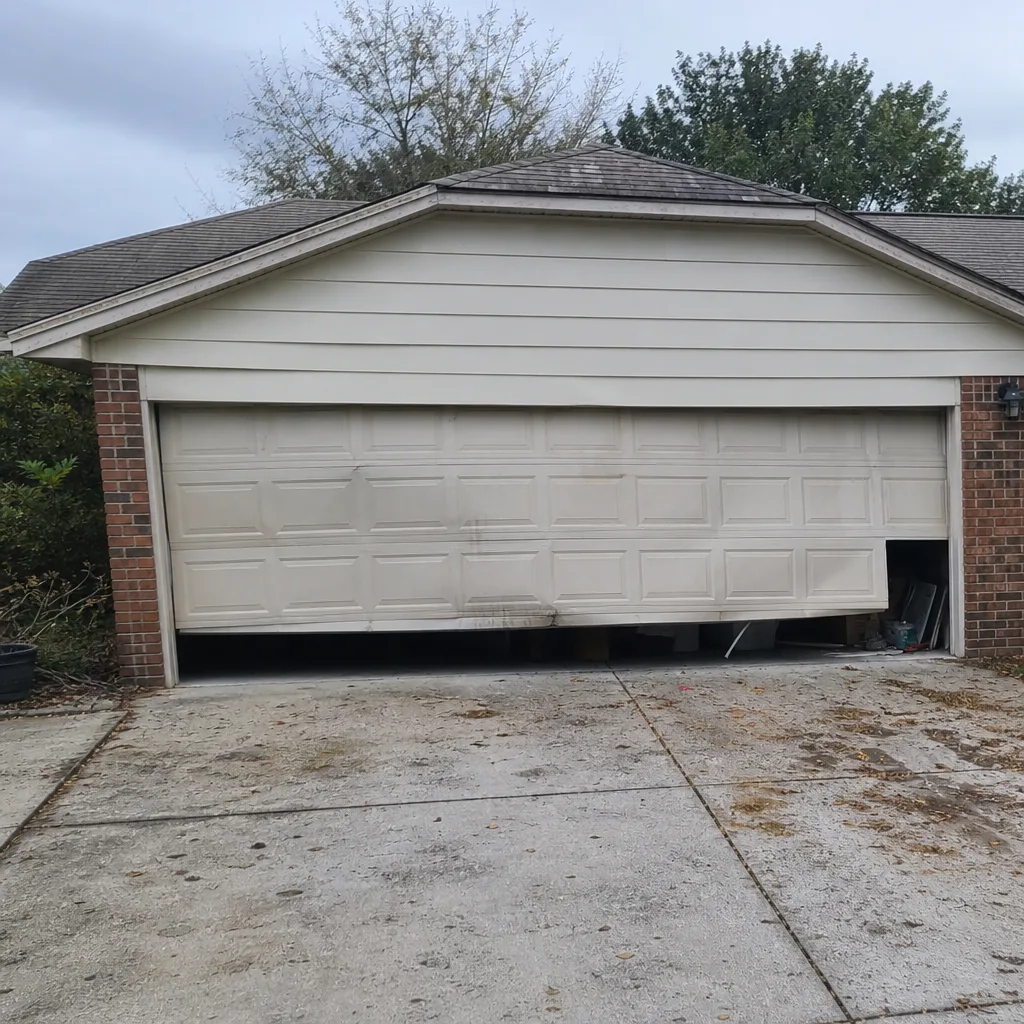 Before
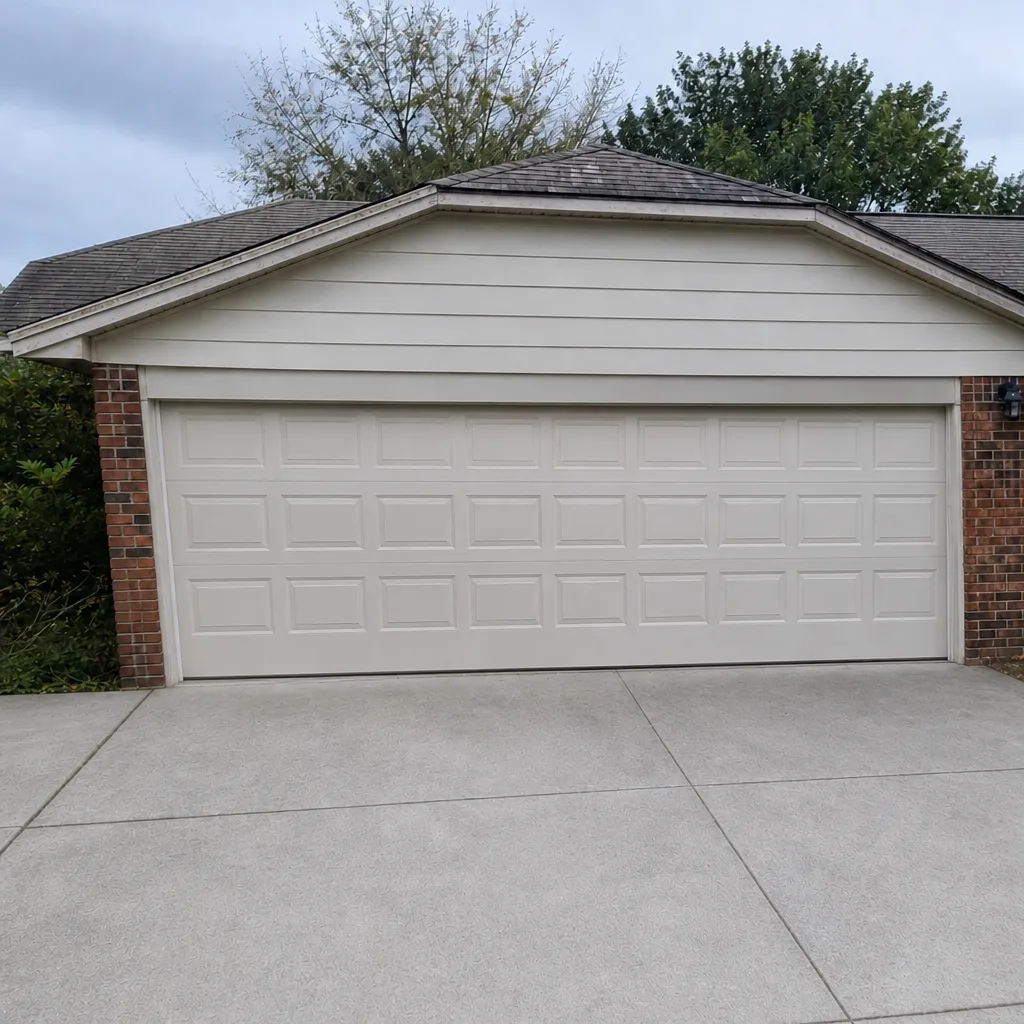 After
When to Call a Professional
Call when the door reverses on its own, when it’s hanging crooked or grinding, when the opener hums without moving the door, or when you’ve heard that first-of-the-day bang. Call when a storm has misaligned the tracks or the sensors won’t steady. Call if a spring looks like it has a gap or a visible defect – springs are not a home repair. If you’re not sure, call and describe the symptom; a qualified technician can usually narrow it down in one conversation. Some repairs look small but stress a component under load, and that’s where a trained eye saves you from a bigger fix later. Valrico Garage Door Repair offers free estimates in Valrico – call (866) 346-9311. We answer 24/7. Fast dispatch from 7am to 7pm, Sunday through Friday. A call outside dispatch hours is booked into the next opening, Sunday through Friday, 7am to 7pm.
Frequently Asked Questions
A torsion spring that’s about to fail makes a loud straining sound on the first opening of the day, then normalizes. That pattern, combined with a visible sag or gap in the coil above the door or a door that feels heavier than usual when lifted by hand, means you should treat it as urgent and call before you cycle the door again. Call (866) 346-9311 for an exact quote – estimates are free.
Grinding almost always points to worn rollers, dry or failed bearings, or a torsion spring under strain. If the grind is coming from the sides, it’s rollers or hinges. If it’s coming from above, it’s the springs. Either way, grinding that gets louder with each cycle is a call-today symptom, not a monitor symptom. Call (866) 346-9311 and describe where the sound is coming from – a technician can usually narrow it down before arriving.
No. A slow opener is more often a sensor issue, a worn drive gear, or a door that’s binding and forcing the motor to work harder than it should. Replacing the opener before diagnosing the door is one of the most common overspends we see in Valrico homes. Let a specialist confirm the actual cause first. Call (866) 346-9311 for a free estimate.
Yes, and you should. Watch the door as it opens for uneven movement, check the safety sensors for a blinking light, look at the torsion spring for a visible gap, and listen for where the noise is coming from. Those visual checks narrow the cause significantly. Do not touch the springs, cables, or torsion bar – those components hold the door’s weight and are dangerous. Call (866) 346-9311 to schedule the repair.
A door that hesitates before moving is usually in the 30 to 60 day window before the underlying issue becomes urgent. The hesitation is the opener or the door working harder than designed, and that extra strain accelerates wear on the surrounding parts. You can schedule rather than call today in most cases, but don’t wait months. Call (866) 346-9311 to line up a date.
A door repair covers the mechanical side: springs, cables, rollers, hinges, tracks, and panels. An opener repair covers the electronics and drive mechanism: motor, logic board, sensors, and remote systems. The two are diagnosed separately because a door problem masquerading as an opener problem leads to unnecessary part replacement. For either service, call (866) 346-9311 for a free estimate from a Valrico specialist.
The Bottom Line
Most garage door warning signs are quiet. They don’t stop the door; they just make it slower, noisier, or slightly off-track. That two-second hesitation, the grind at the halfway point, the loud first cycle of the day – each points to a specific mechanical source, and each has a repair window. The urgent ones get a call today: a snapped spring, a crooked door, grinding that escalates, a door that reverses on its own. The window ones get scheduled in the next 30 to 60 days. The monitor ones get a visual check and nothing more. If you’re not sure which bucket you’re in, a free estimate settles it faster than a week of wondering. Whether the issue is a door problem, an opener problem, or the torsion spring that ties both together, one call to a specialist who works these systems every day gets you back up and running. Call (866) 346-9311 for a free estimate. Our technicians have up to 8 years of experience, and garage doors are all we do.
Written by the team at Valrico Garage Door Repair.